
Master Plumber Led
Licensed residential expertise with personal accountability.
Evaluation and targeted treatment for hydrogen sulfide related odors in private wells and Hill Country residential water systems.
Licensed residential expertise with personal accountability.
Recommendations start with your home's real water conditions.
Testing and evaluation come before equipment recommendations.
Clear options without commission driven sales tactics.

Sulfur Odor Treatment
An odor in both hot and cold water can point to a different source than an odor limited to hot water. RSP evaluates the pattern before recommending treatment.
RSP provides this service for homeowners in Bulverde, Spring Branch and Canyon Lake. When symptoms overlap, compare private well water treatment or begin with water quality testing.
For a Bulverde address with a sulfur type odor, note which taps are affected and whether the odor appears in cold water, hot water or both. Tell RSP about any well equipment and existing treatment. These observations help focus the visit before a whole house treatment change is considered. For local supply contacts see the City of Bulverde utility information.
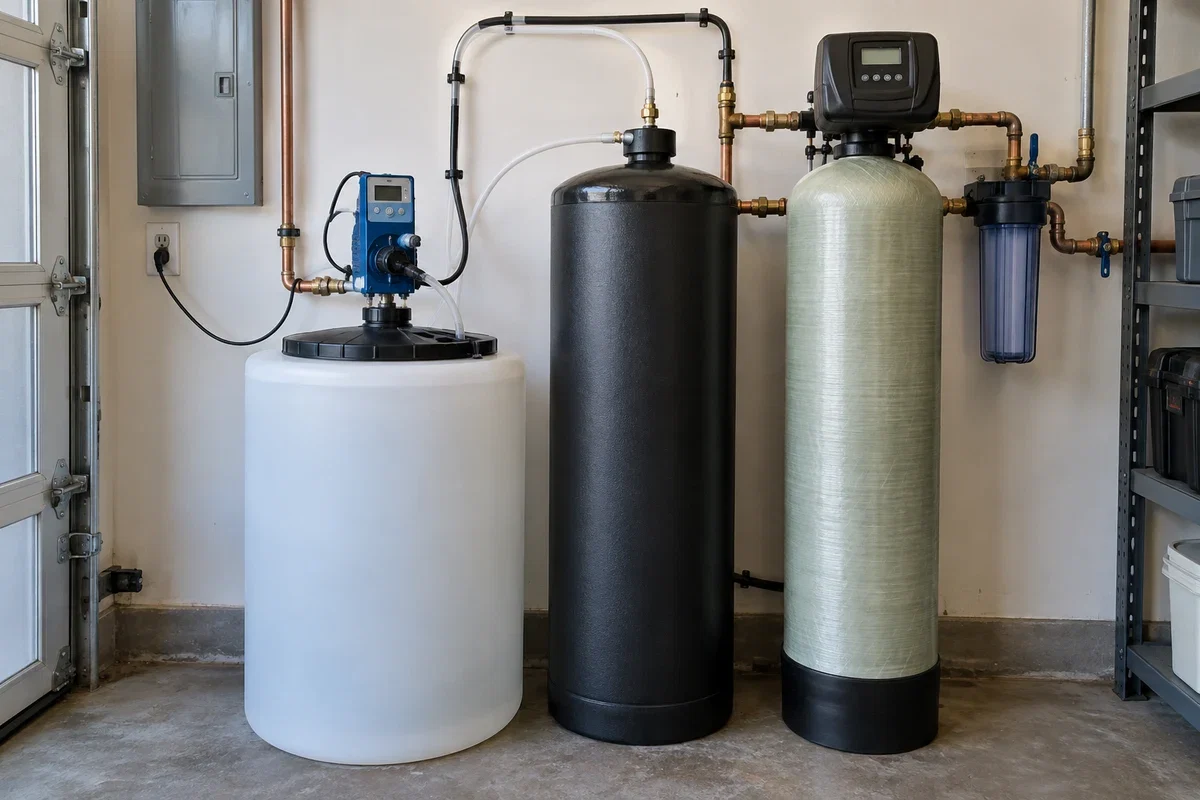
Use an appropriate process to convert hydrogen sulfide for removal.
EXPLORE SERVICE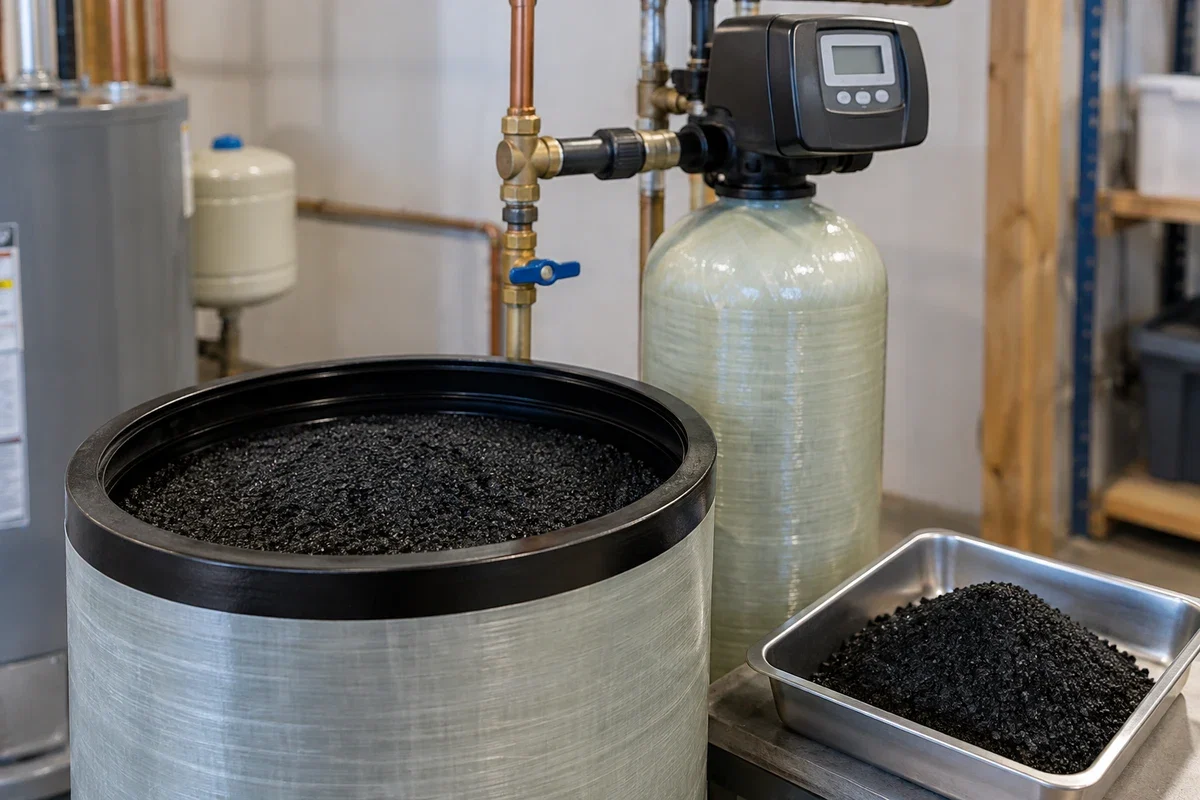
Capture oxidized material with treatment media selected for the condition.
EXPLORE SERVICE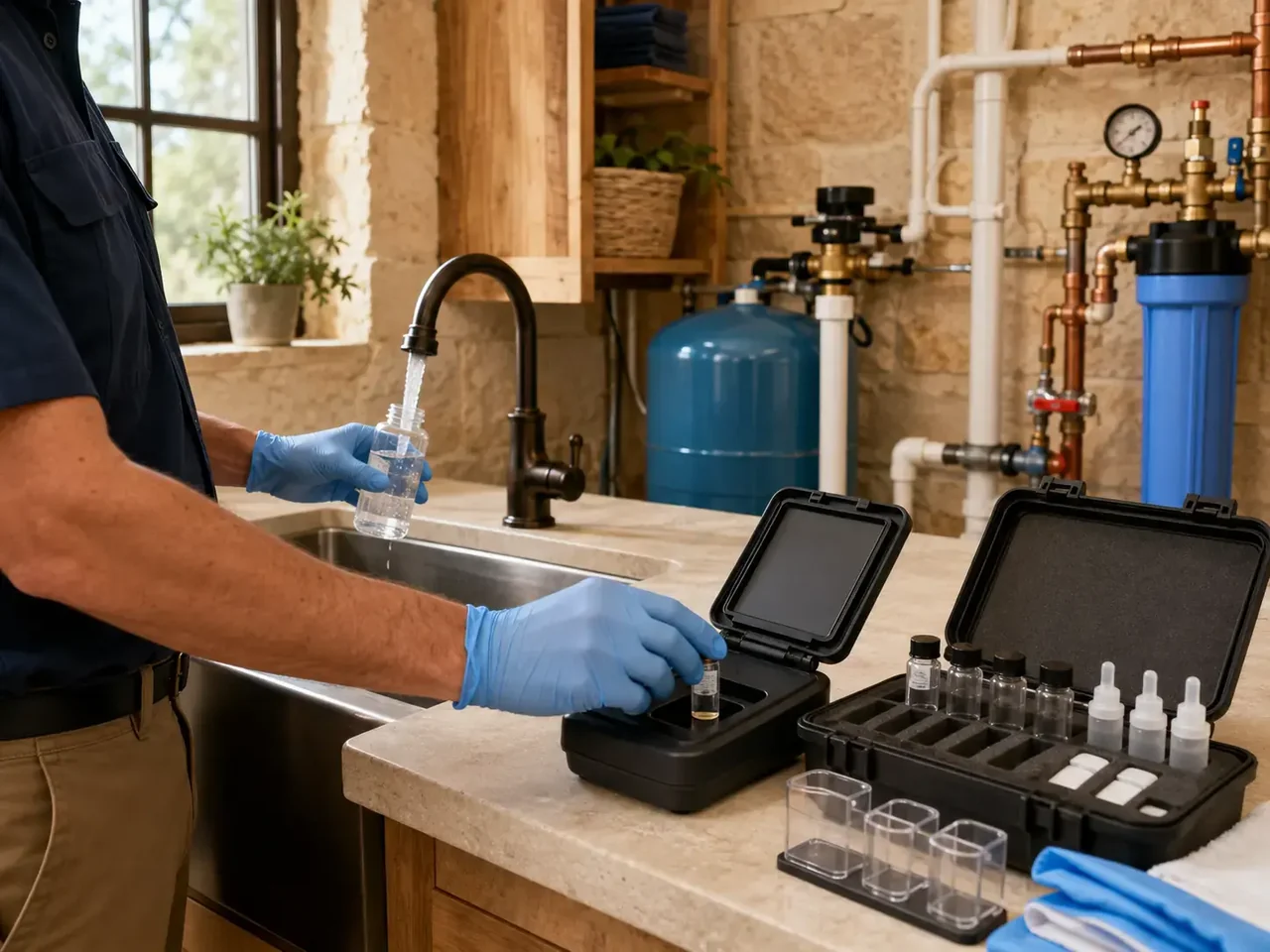
Trace rotten egg odors to the hot water system, incoming supply or treatment equipment.
EXPLORE SERVICE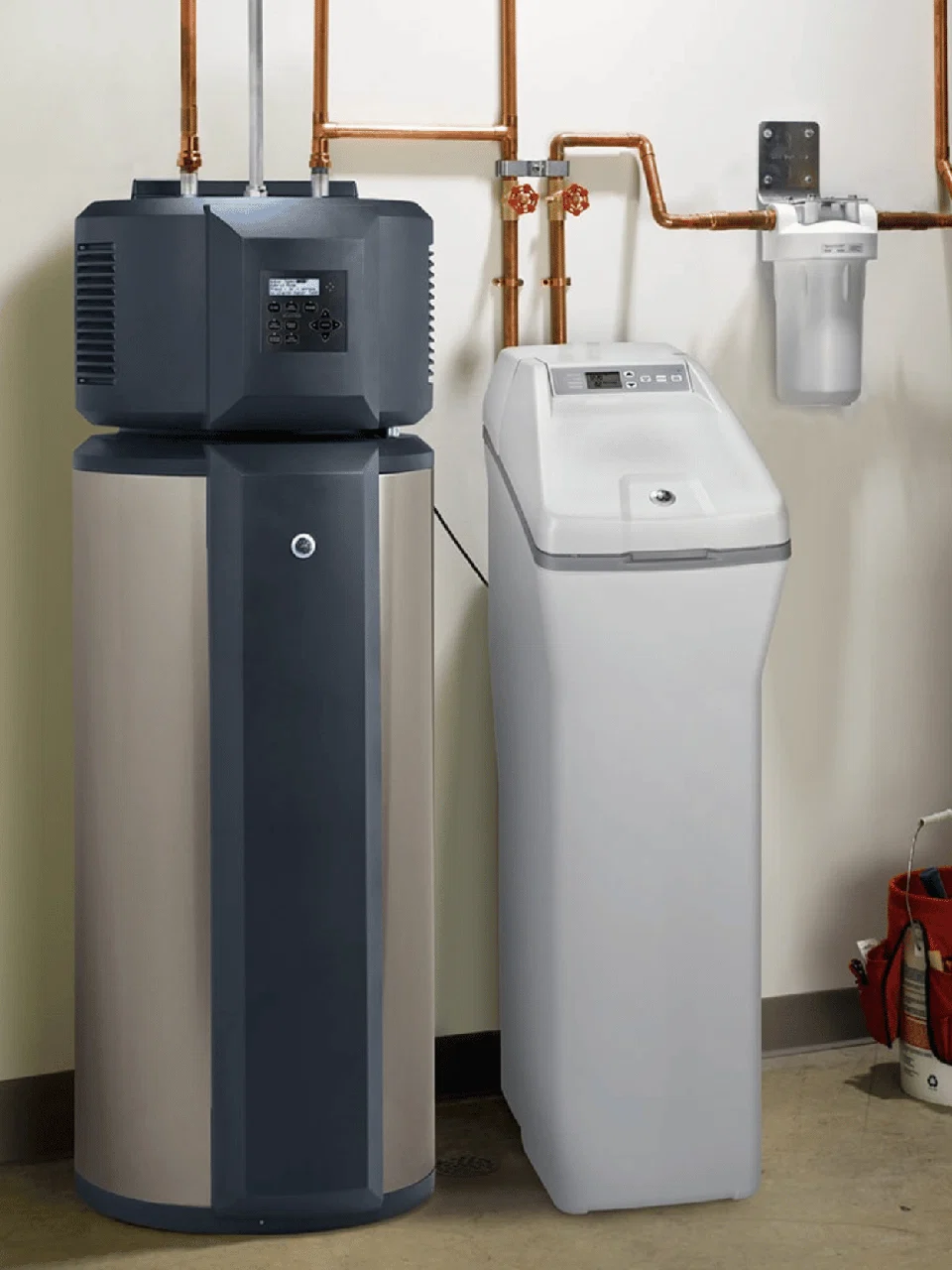
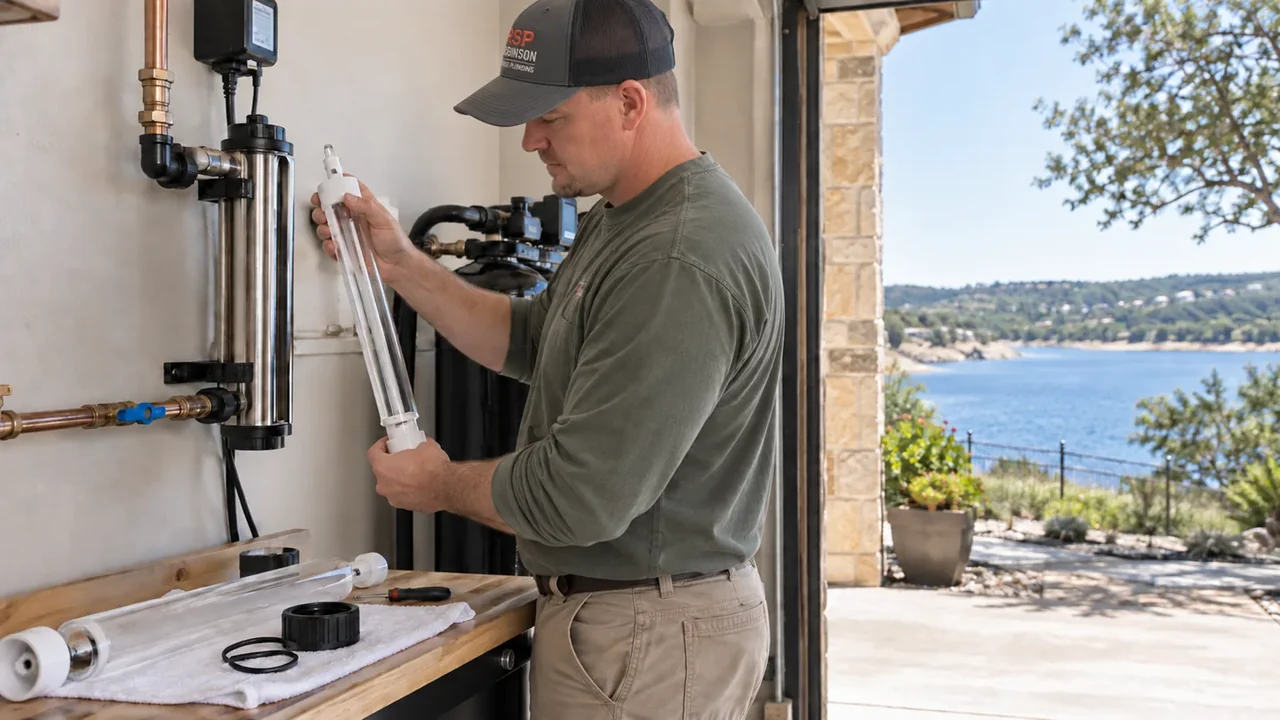
Evaluate and replace serviceable treatment media when its condition or capacity calls for renewal.
EXPLORE SERVICE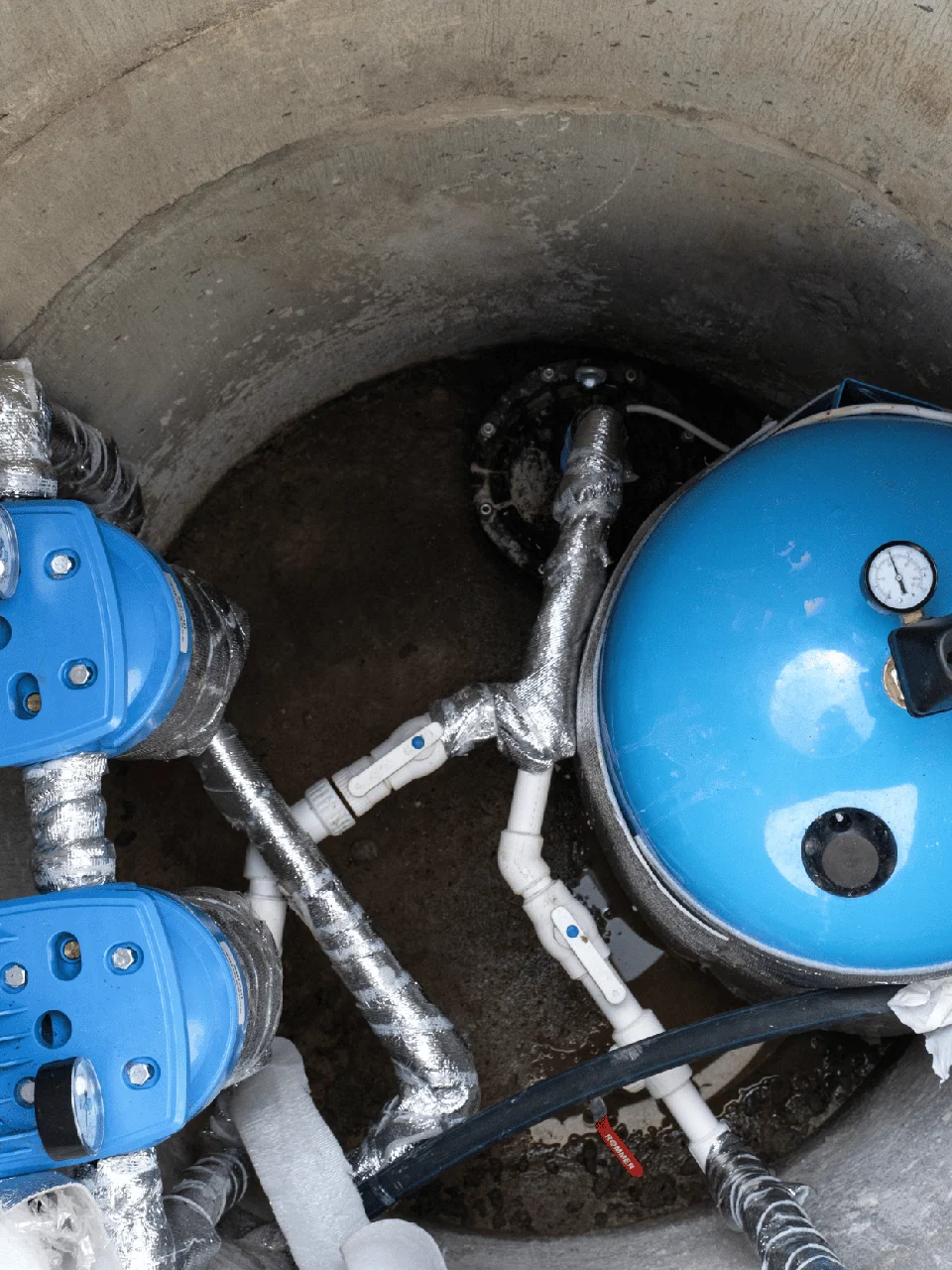
Find the treatment stage behind returning odor, staining, sediment or poor flow.
EXPLORE SERVICEReady For Better Water?
A Clear Service Plan
An odor in all cold water suggests a different investigation from an odor confined to hot water. RSP compares the source, storage, treatment and fixtures so the correction is aimed at the right part of the system.
Correct sizing, adequate contact time, proper backwashing and media condition all influence reliable odor control.
Preparation And Ongoing Care
Correct sizing, adequate contact time, proper backwashing and media condition all influence reliable odor control.
Note which fixtures smell and whether the odor begins after water has been sitting.
Check the incoming supply and existing equipment before selecting a treatment method.
Recheck the affected locations and explain maintenance that supports odor control.

Choose your community for local sulfur odor treatment information, nearby water conditions and the service details that apply to your area.
View sulfur odor treatment details for homes in Bulverde and nearby Hill Country communities.
View sulfur odor treatment details for homes in Spring Branch and nearby Hill Country communities.
View sulfur odor treatment details for homes in Canyon Lake and nearby Hill Country communities.
Helpful Answers
The odor pattern should be established first so treatment addresses the correct source.
No. Odor confined to hot water can involve the water heater. The source should be isolated before a whole house treatment decision.
Hydrogen sulfide is a common cause but odor may also be associated with a water heater, plumbing or other biological and chemical conditions.
A hot water only odor may point toward conditions inside the water heater rather than the entire water supply.
Carbon may help limited odor conditions but stronger hydrogen sulfide often requires oxidation and purpose selected filtration.
Yes if media is exhausted, maintenance is overdue or the incoming condition changes. Performance evaluation can identify the likely reason.
They can sometimes be addressed through coordinated treatment but the design must match the confirmed concentrations and water chemistry.
Locate the source of rotten egg odor before installing odor treatment. The parent service covers the broader equipment or treatment plan. RSP can evaluate whether this focused service is appropriate before discussing additional work.