
Master Plumber Led
Licensed residential expertise with personal accountability.
Water softener installation for Spring Branch homes based on measured hardness, household demand and the exact public or private water source.
Licensed residential expertise with personal accountability.
Recommendations start with your home's real water conditions.
Testing and evaluation come before equipment recommendations.
Clear options without commission driven sales tactics.
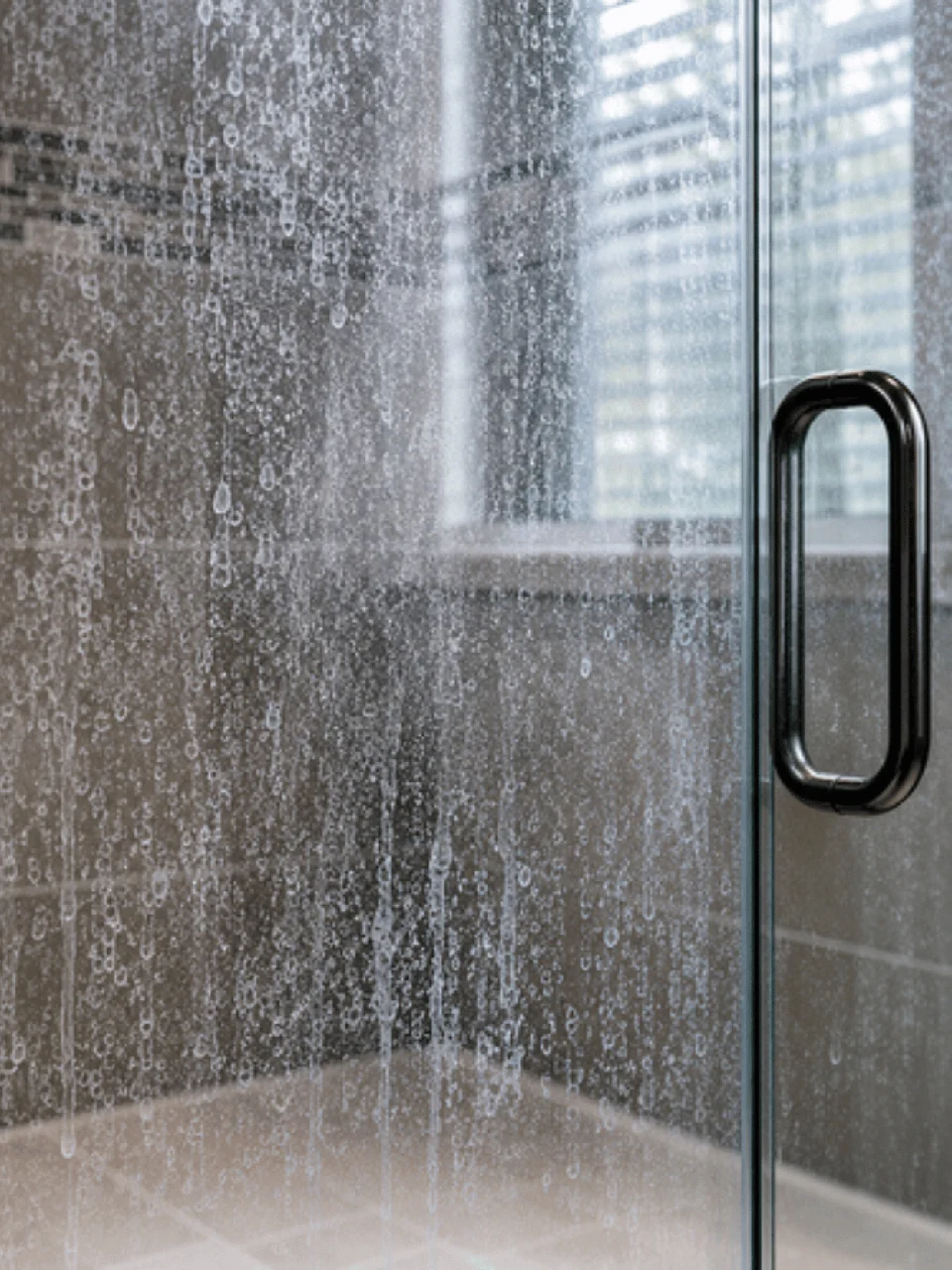
Water Softener Installation
Homes may receive water from a public system or a private Trinity Aquifer well. Hardness, iron and household flow should be measured at the property before equipment is sized.
Review the complete water softener installation service, learn about local supply differences on the Spring Branch service area page or begin with water quality testing.
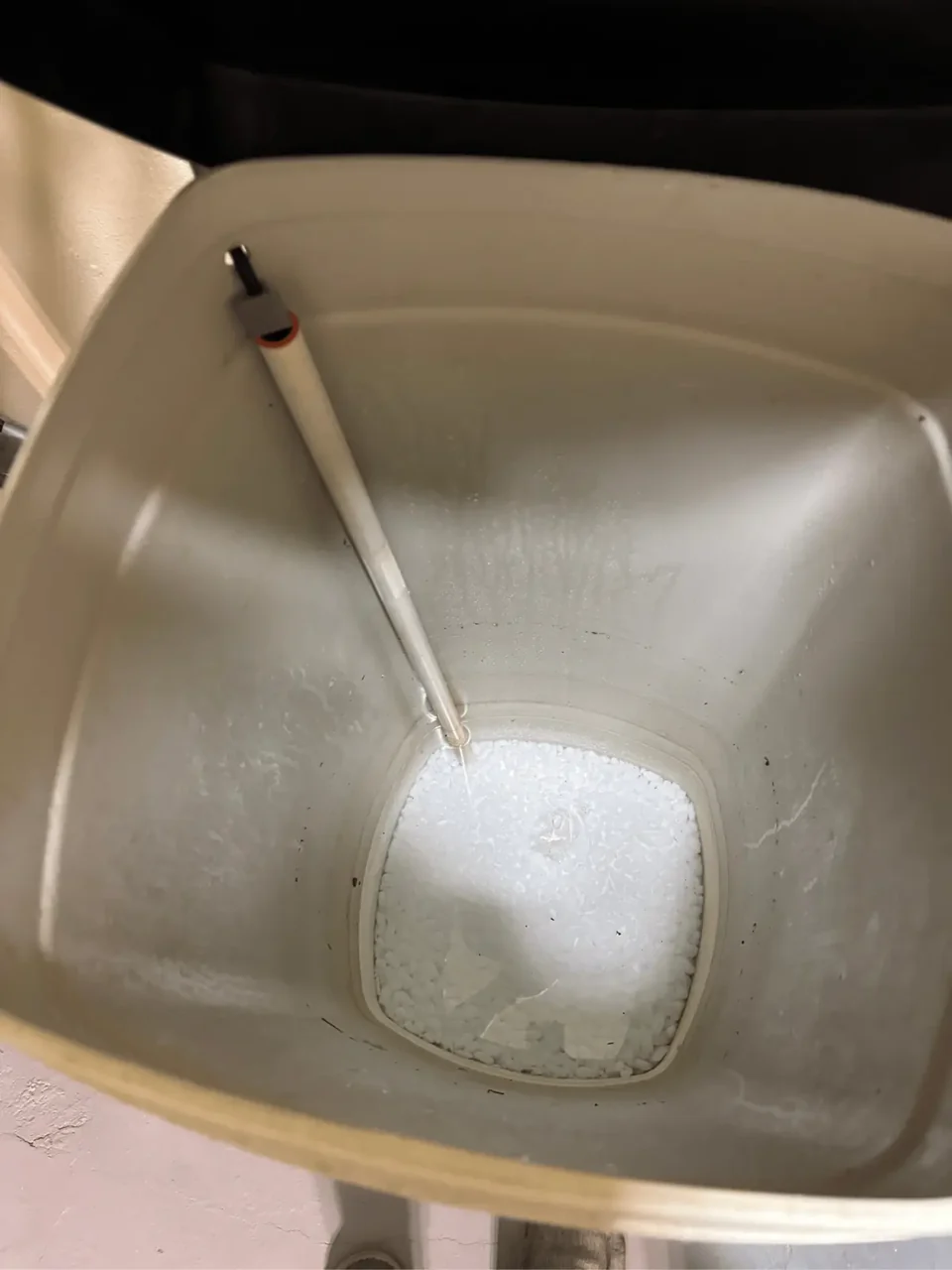
Keep salt handling, controls and regeneration working with focused softener care.
EXPLORE SERVICE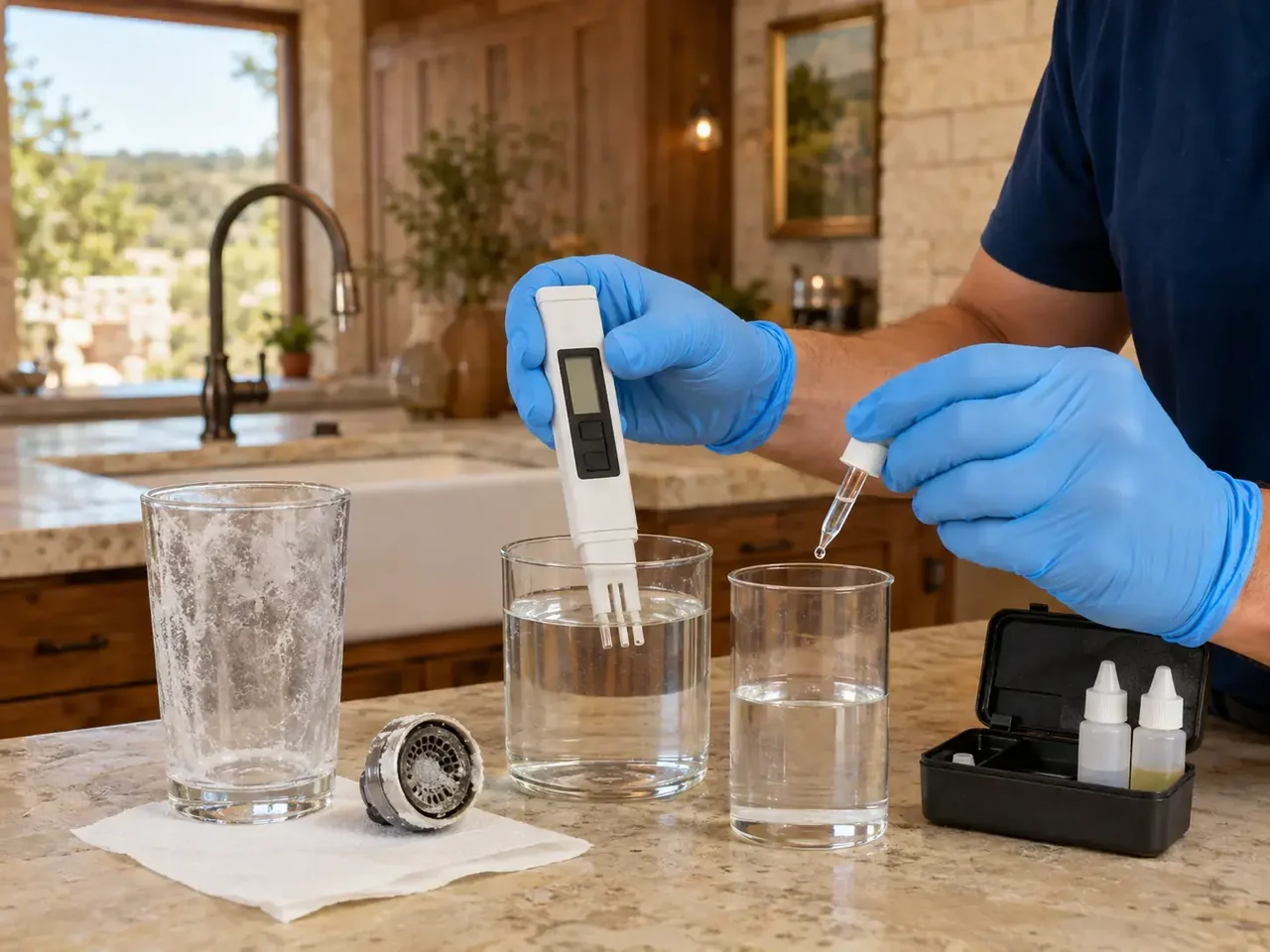
Measure hardness before choosing a softener or deciding why scale has returned.
EXPLORE SERVICE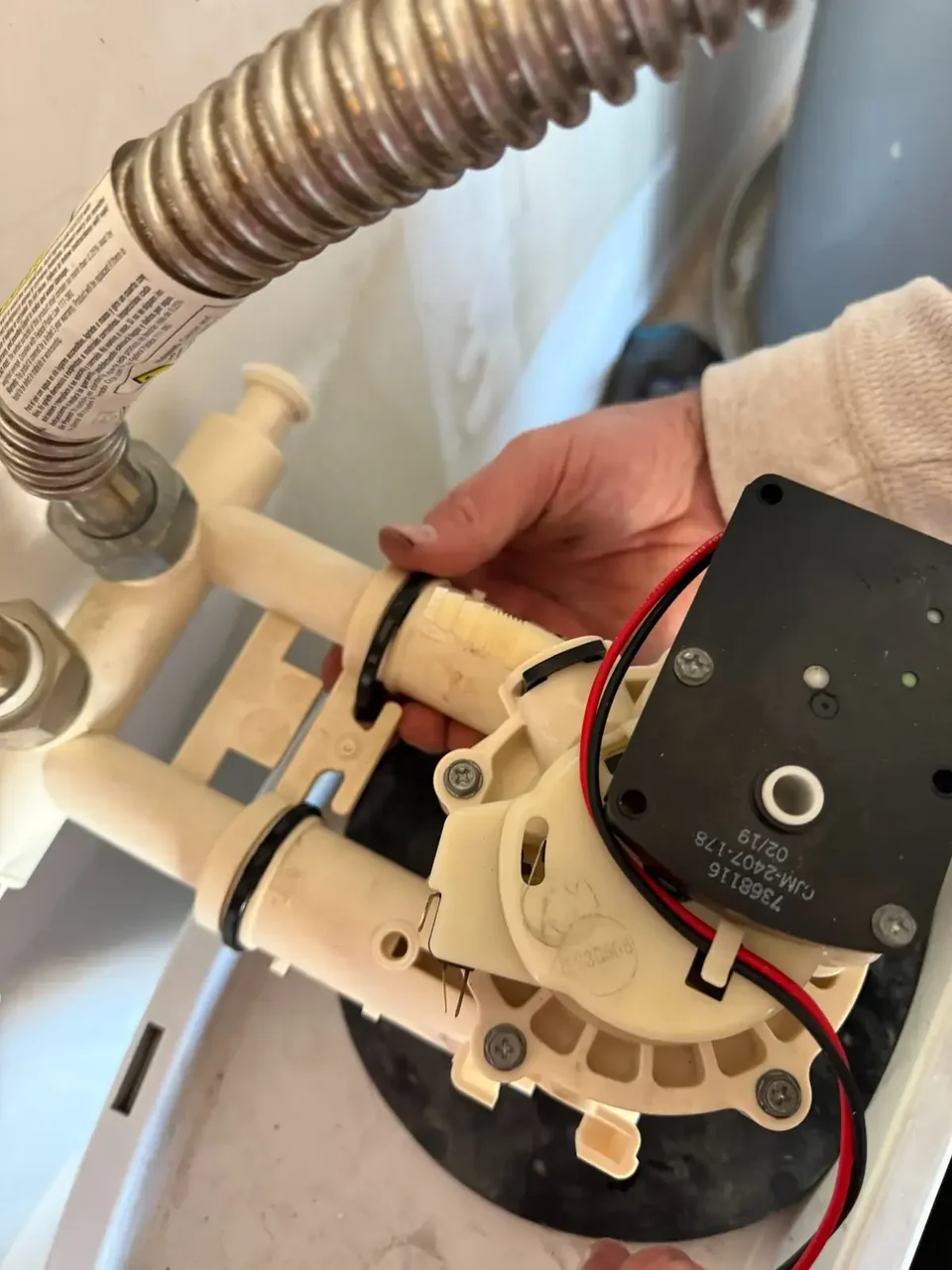
Restore softener performance by identifying the control, brine or resin problem.
EXPLORE SERVICE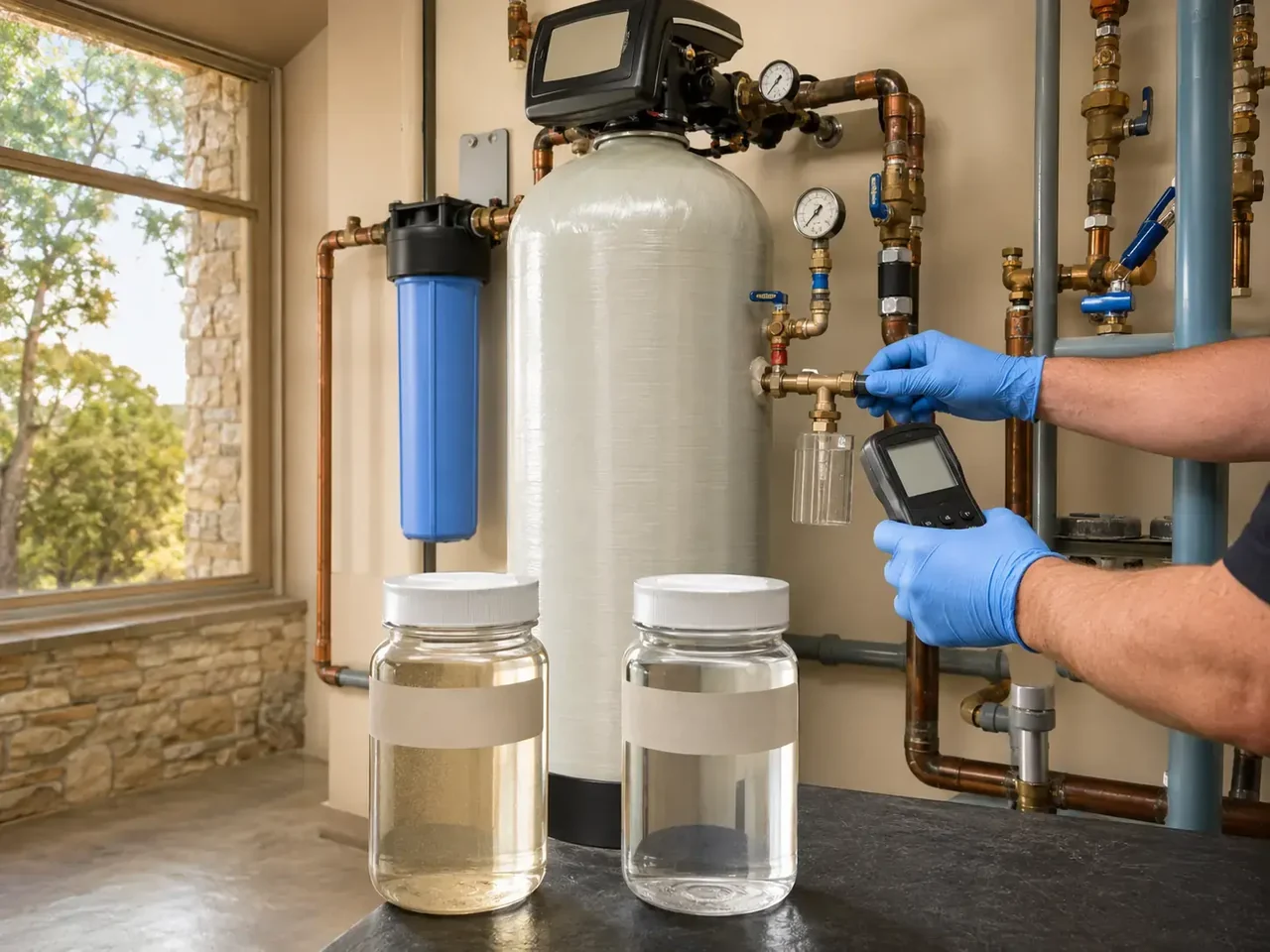
Check whether installed equipment is addressing the water condition it was selected to treat.
EXPLORE SERVICE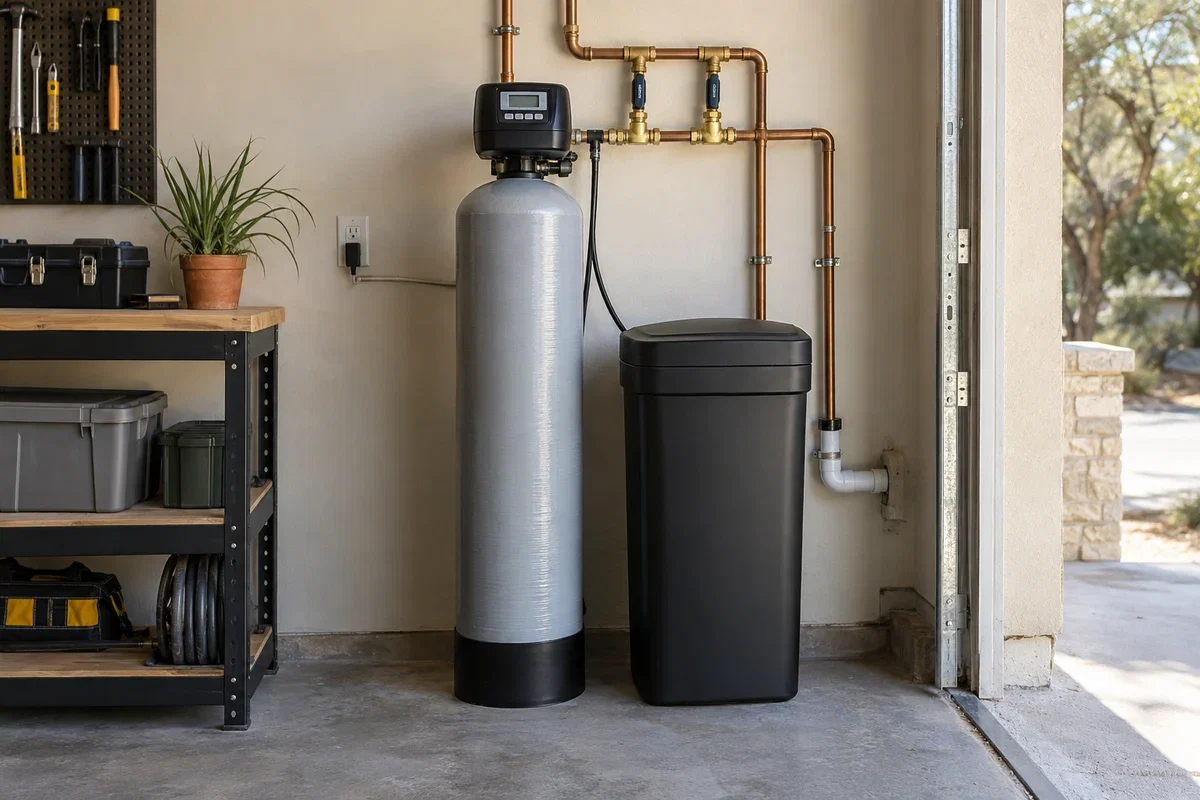
Match treatment capacity to the home, create a clean serviceable plumbing layout and configure controls around water conditions and household demand.
EXPLORE SERVICE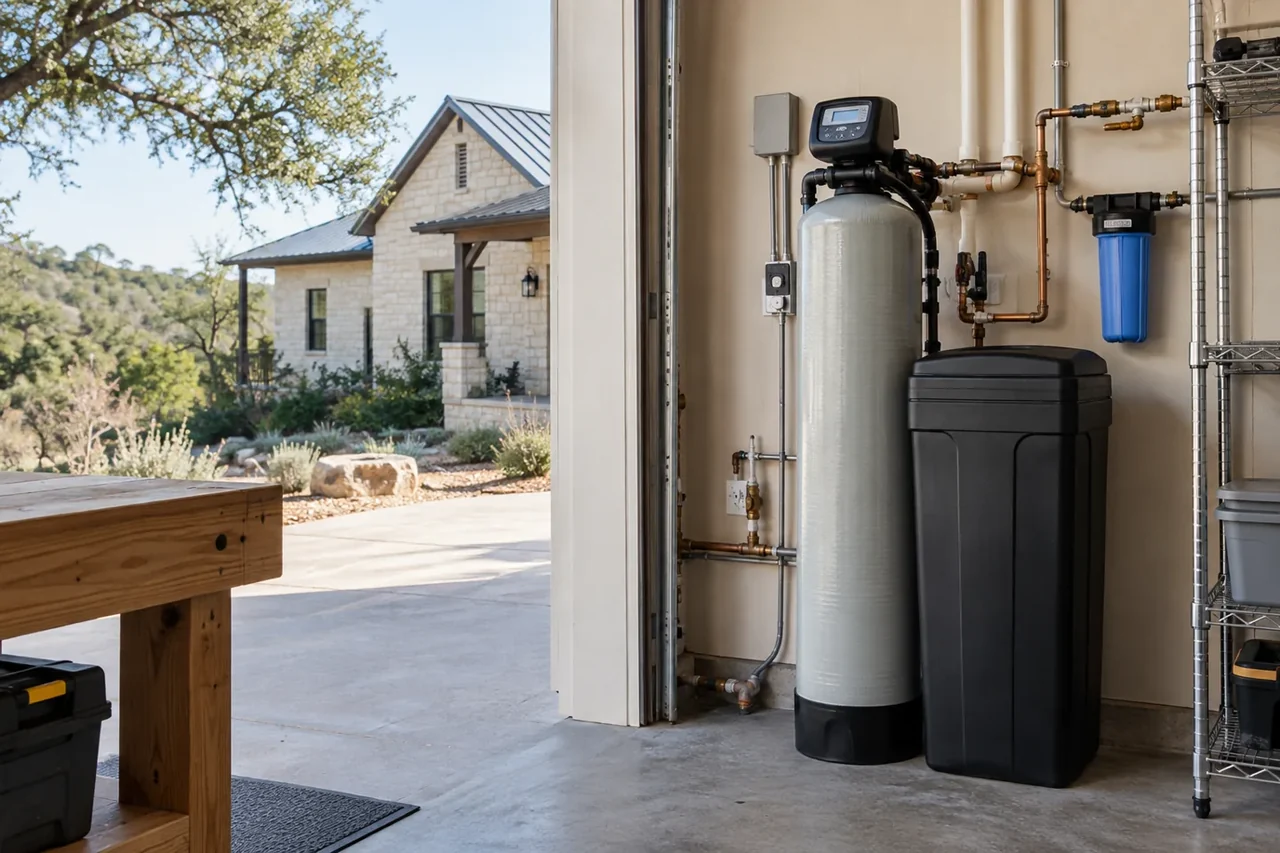
Local Planning Notes
For a Spring Branch well home, check iron and sediment before selecting the resin capacity and treatment order. A softener should not be expected to compensate for inadequate upstream protection. The available drain and service flow also shape installation.
The Texas Water Company directory lists Spring Branch Meadows and Woods of Spring Branch under Canyon Lake Shores. Match the property’s account to its water system. A private well is evaluated separately.
Ready For Better Water?
A Clear Service Plan
Scale, poor soap performance and mineral deposits can point to hardness. RSP measures the incoming water and reviews service flow before selecting capacity or regeneration settings.
Salt delivery, resin condition, programming and changing water conditions can affect performance over time. Testing identifies the actual weak point before parts are replaced.
Your Next Step
Useful capacity, peak flow and salt efficiency must work together. RSP sizes the system for real household demand and programs it for the measured water.
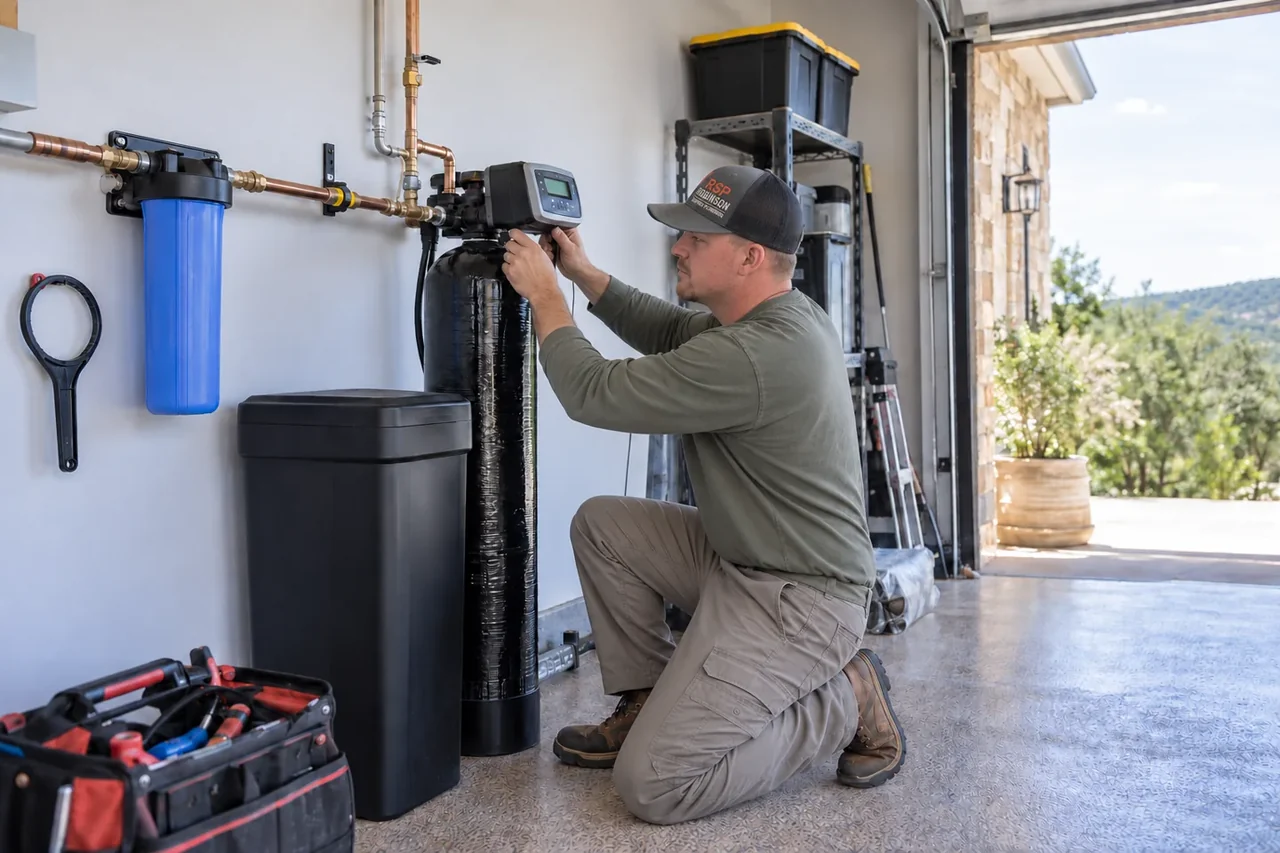
RSP disassembled and cleaned the unit, replaced worn seals, restored the missing resin, sanitized the system and verified the result with hardness testing.
“Our water softener completely stopped working and we had no idea why. John took the entire unit apart, cleaned it out, replaced seals and found that there was no resin left in the mineral tank. He reloaded it properly, sanitized everything and even tested the water hardness before and after to prove it was working.”
Helpful Answers
No. Source measurements and any pretreatment needs should be considered before sizing the unit.
Not necessarily. Softening addresses calcium and magnesium. Other dissolved material can leave residue even when hardness is controlled.
Hardness varies by public system, source blending and private well conditions. A current test at the home is the correct number for sizing a softener.
Sometimes, but a private well may add iron, manganese, sediment or sulfur conditions that change pretreatment and system design.
Sizing uses measured hardness, any iron compensation, estimated daily water use, peak flow and the desired regeneration interval.
A standard softener is designed for hardness. Sulfur odor normally requires source identification and treatment selected for the measured condition.
RSP can evaluate many existing residential systems depending on equipment type, condition and parts availability.