
Master Plumber Led
Licensed residential expertise with personal accountability.
Private well water testing and treatment for Canyon Lake homes dealing with sediment, staining, sulfur odor, hardness and changing water conditions.
Licensed residential expertise with personal accountability.
Recommendations start with your home's real water conditions.
Testing and evaluation come before equipment recommendations.
Clear options without commission driven sales tactics.
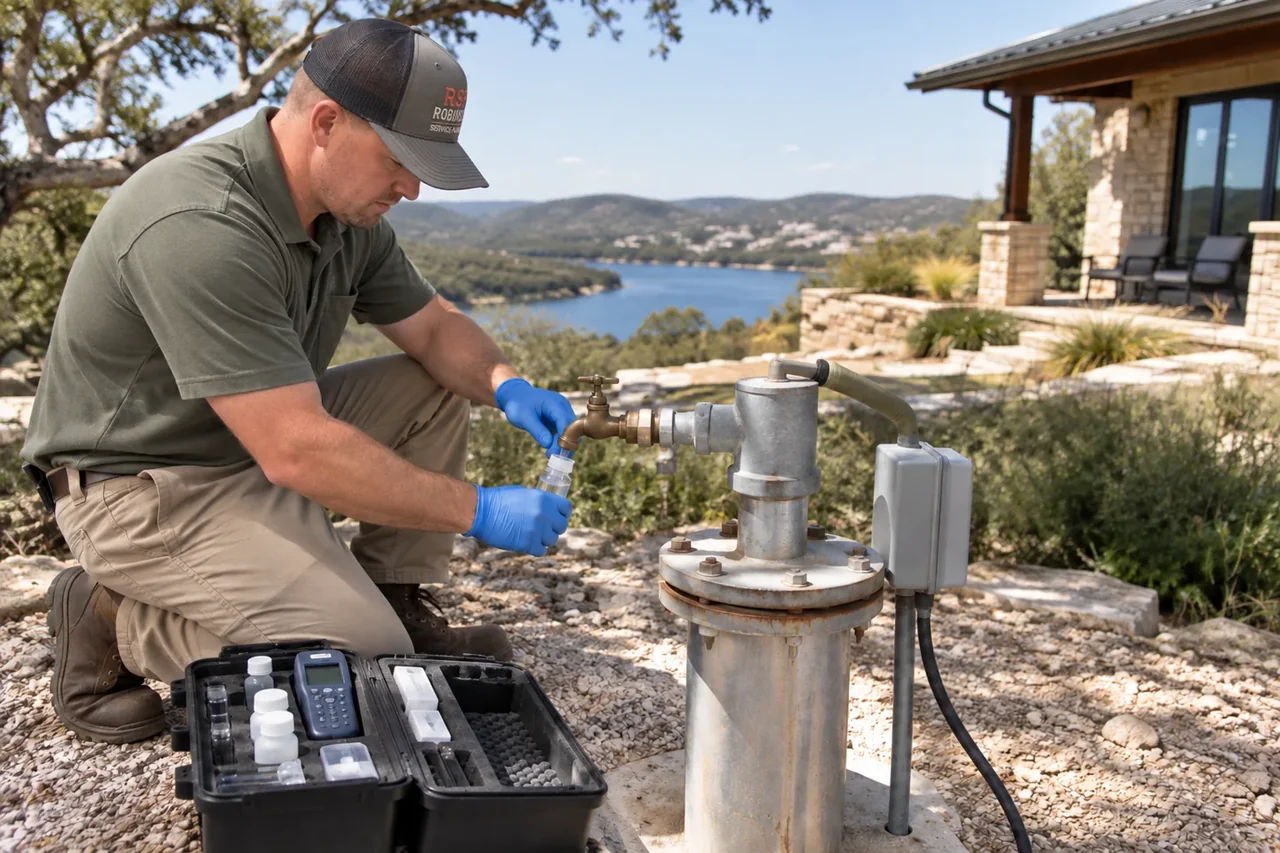
Well Water Treatment
A private well responds to its aquifer, construction, pumping and surrounding conditions. RSP separates well performance from water chemistry before building a treatment plan.
Explore the full private well water treatment service, review Canyon Lake water source differences or read what to check after heavy rain reaches a private well.
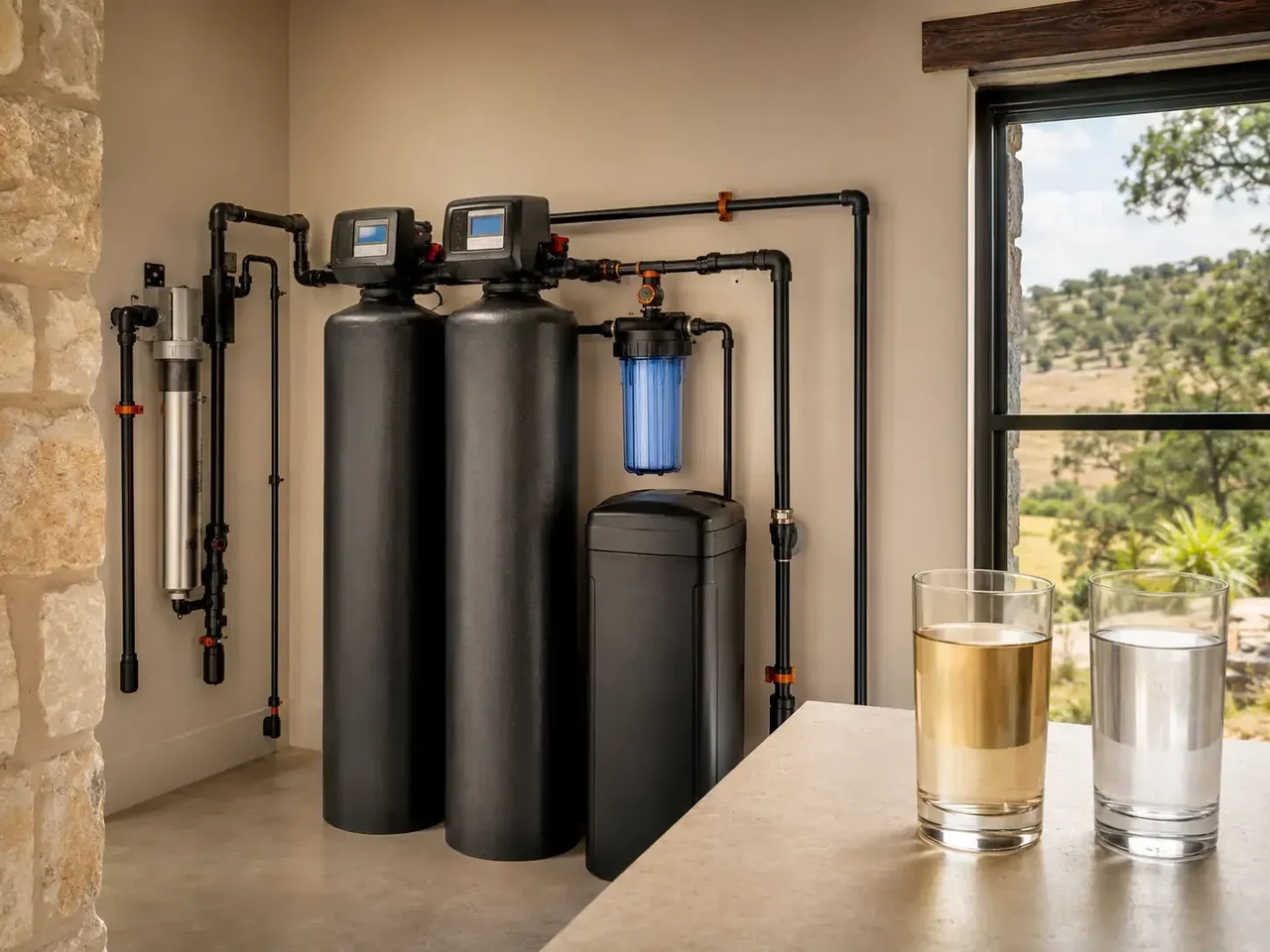
Target recurring mineral stains with treatment based on water chemistry and flow.
EXPLORE SERVICE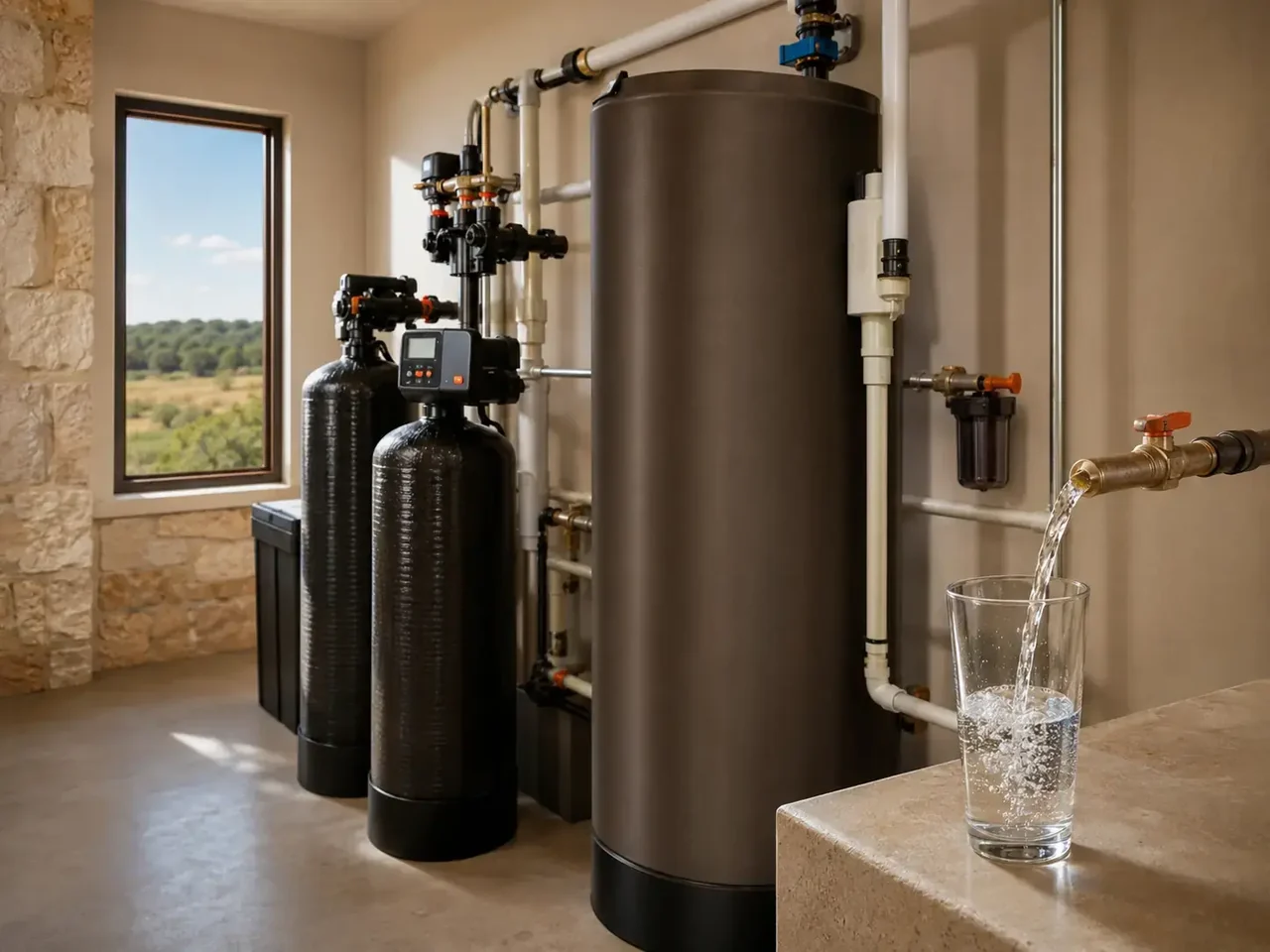
Locate the source of rotten egg odor before installing odor treatment.
EXPLORE SERVICE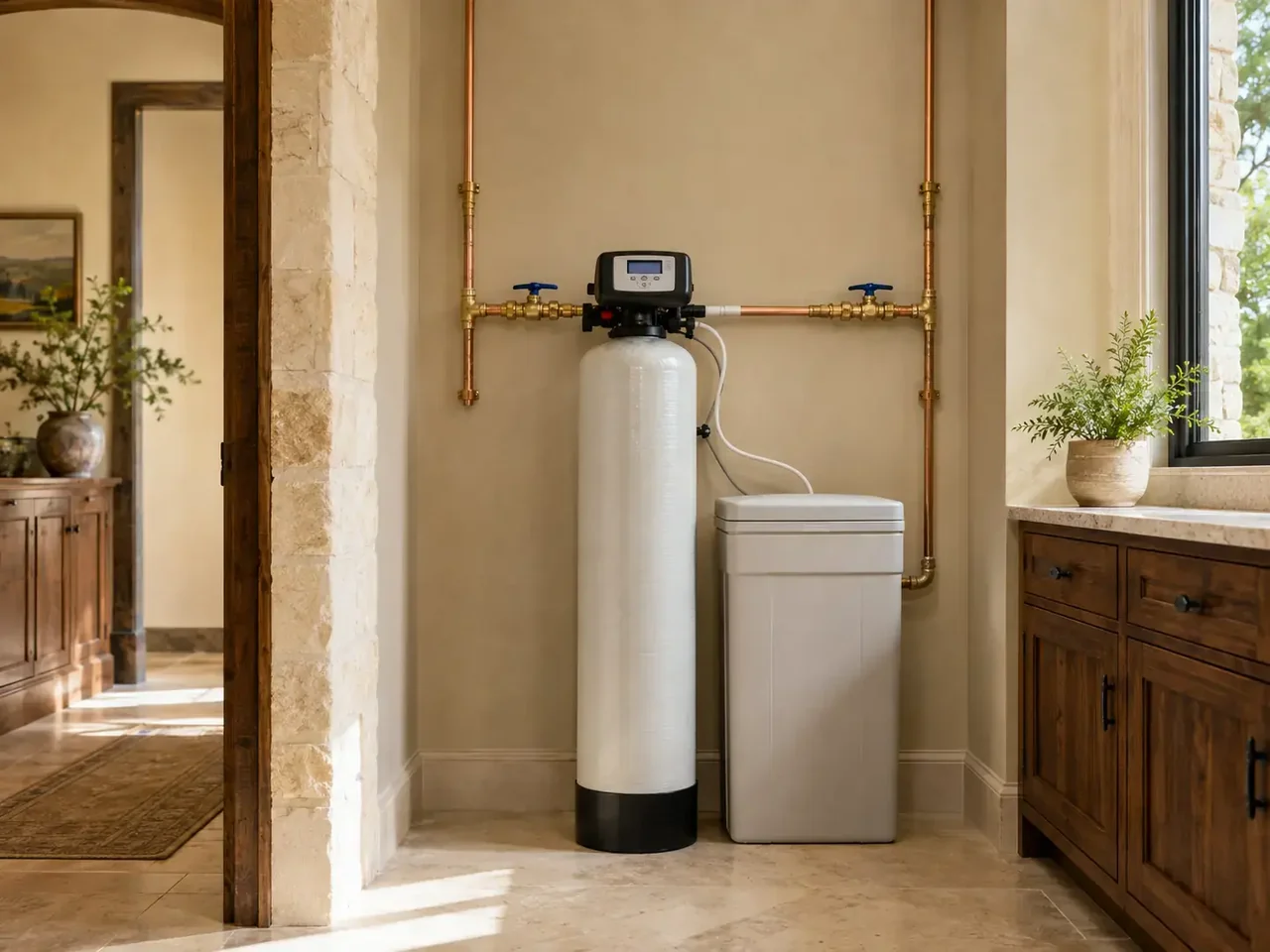
Reduce hardness with a softener sized for your water use and the conditions at your home.
EXPLORE SERVICE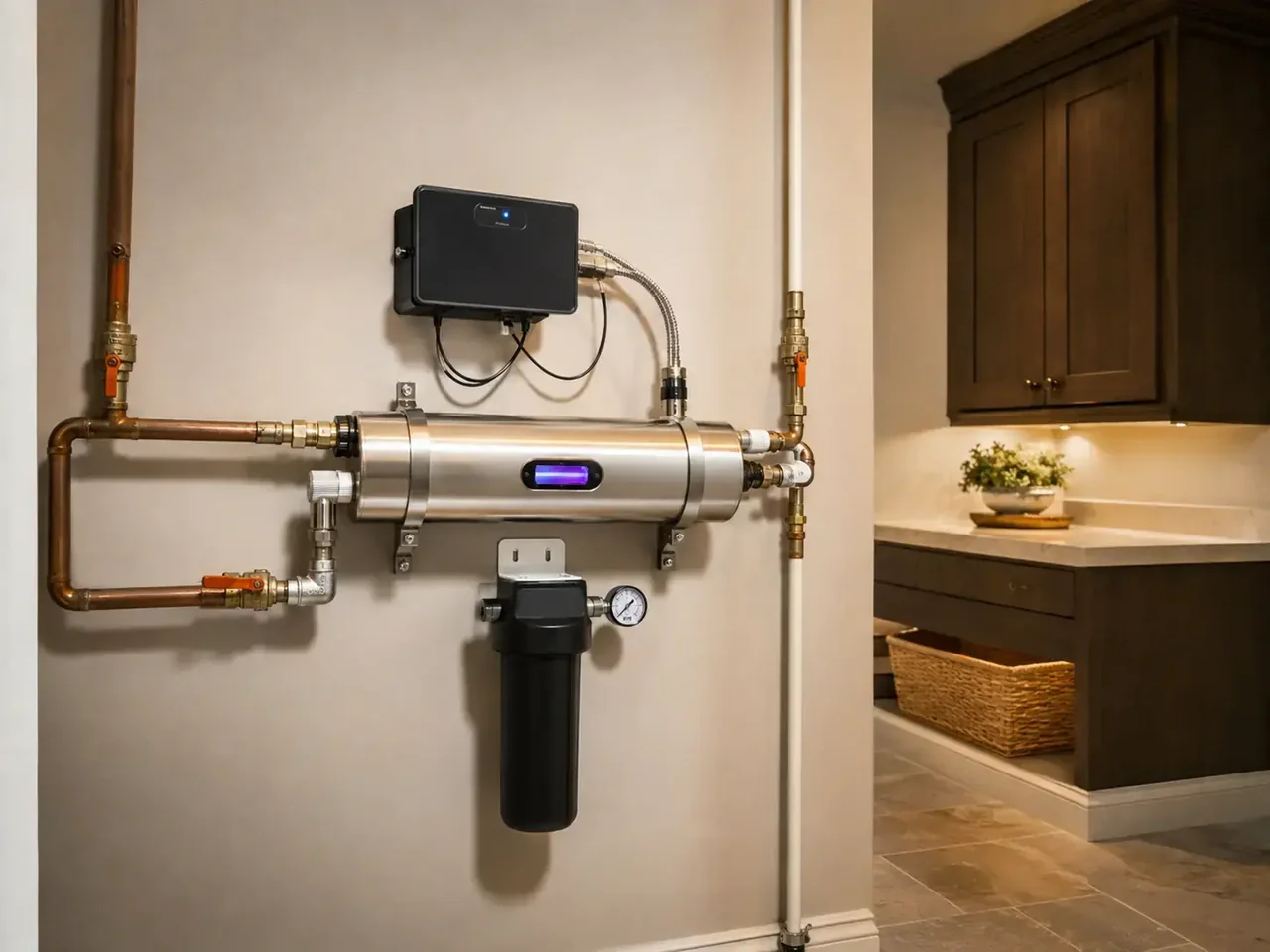
Evaluate ultraviolet treatment as one carefully maintained stage of a suitable water system.
EXPLORE SERVICE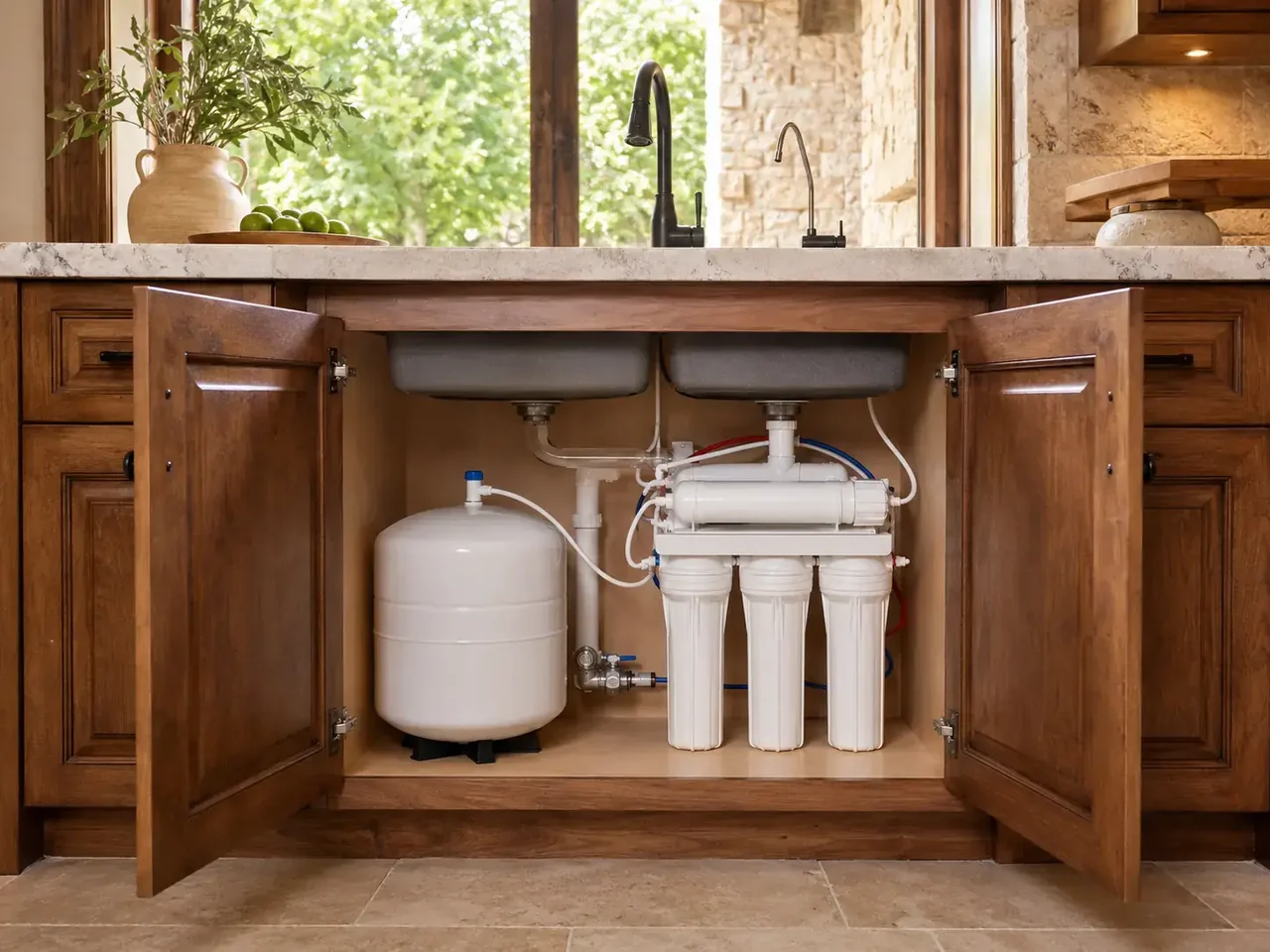
Install dedicated drinking water treatment for your kitchen and daily cooking needs.
EXPLORE SERVICE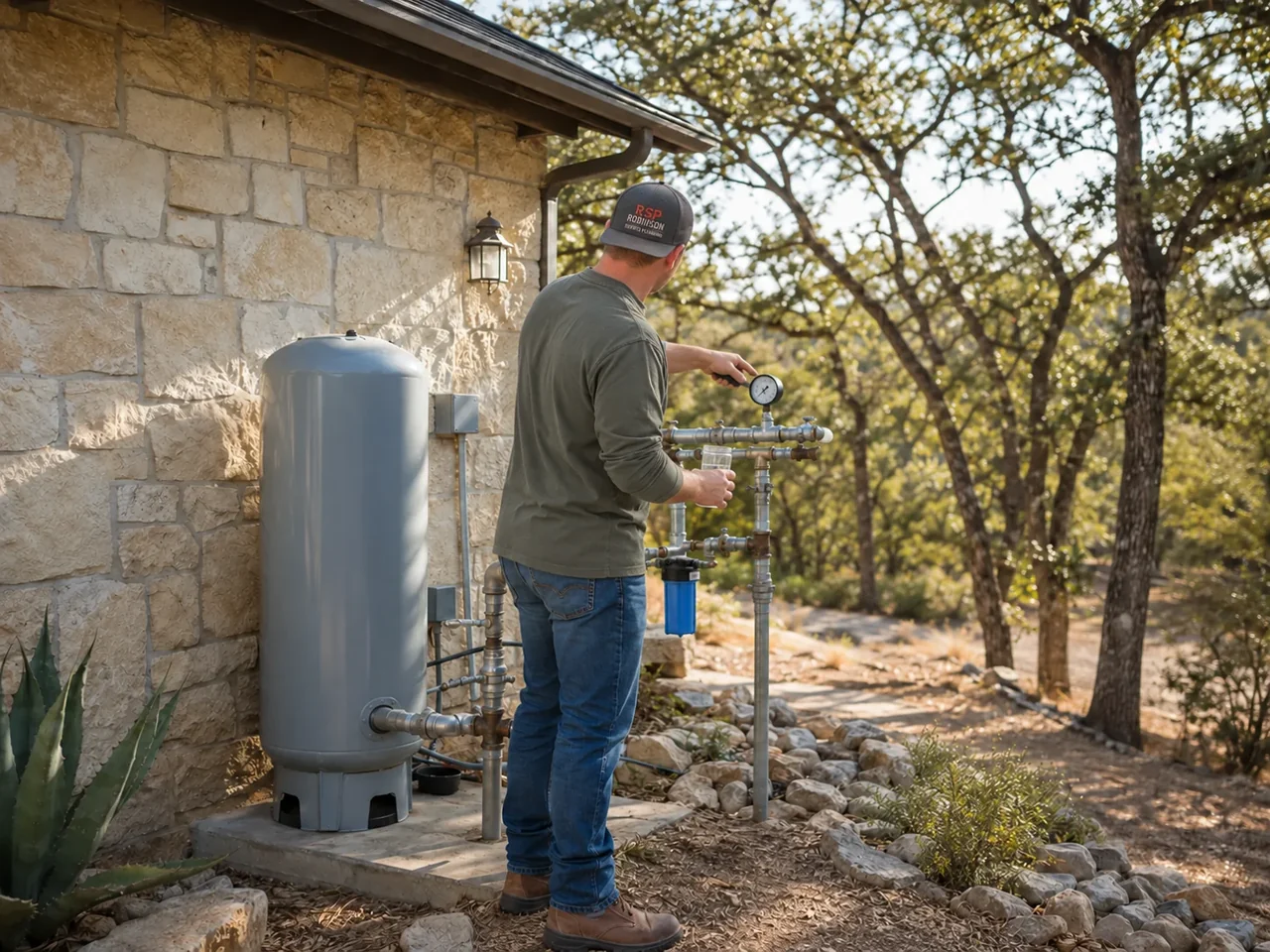
Understand well water symptoms and choose the right field or laboratory testing path.
EXPLORE SERVICE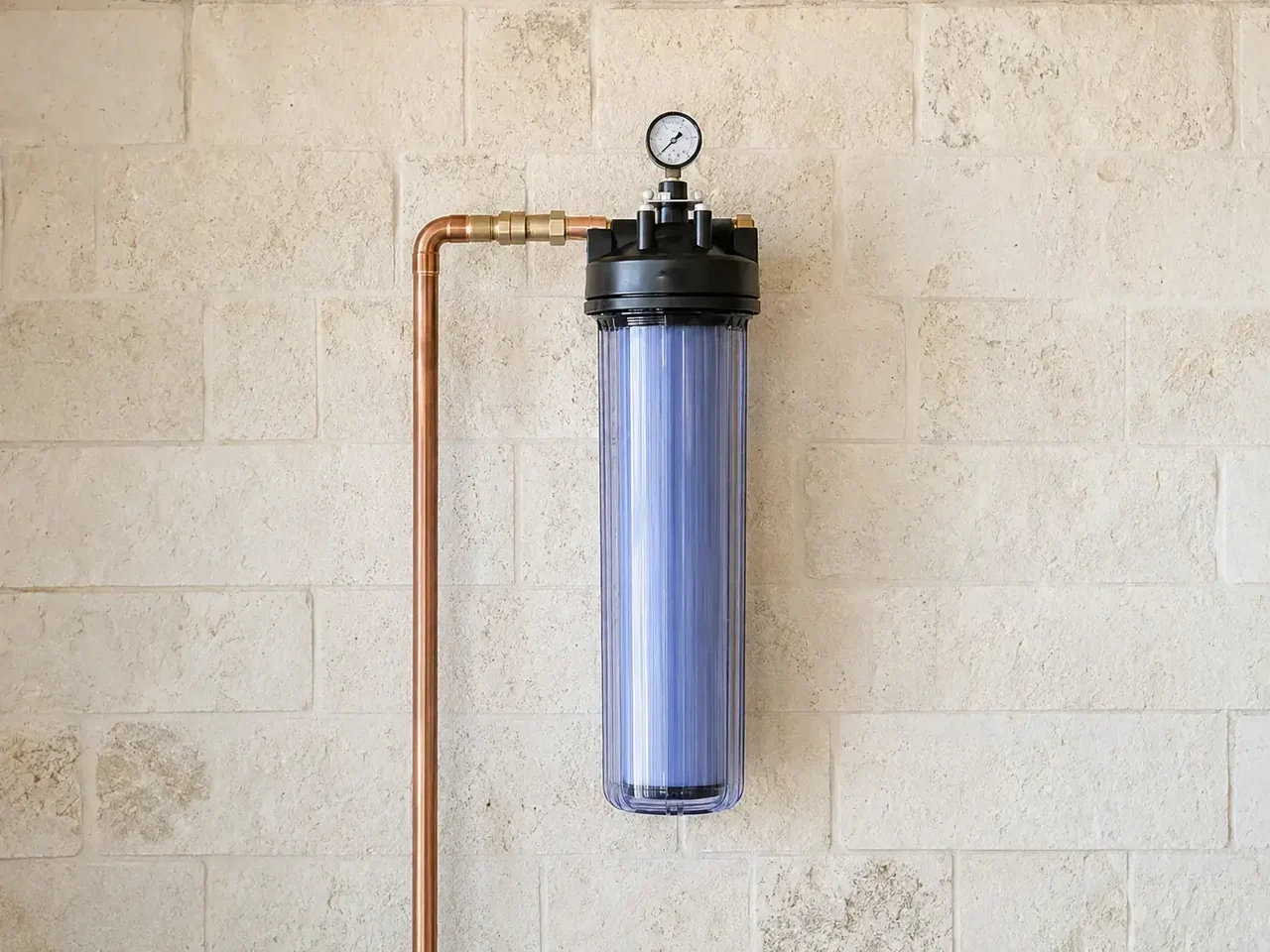
Reduce sand, grit and suspended particles with filtration that preserves usable flow.
EXPLORE SERVICE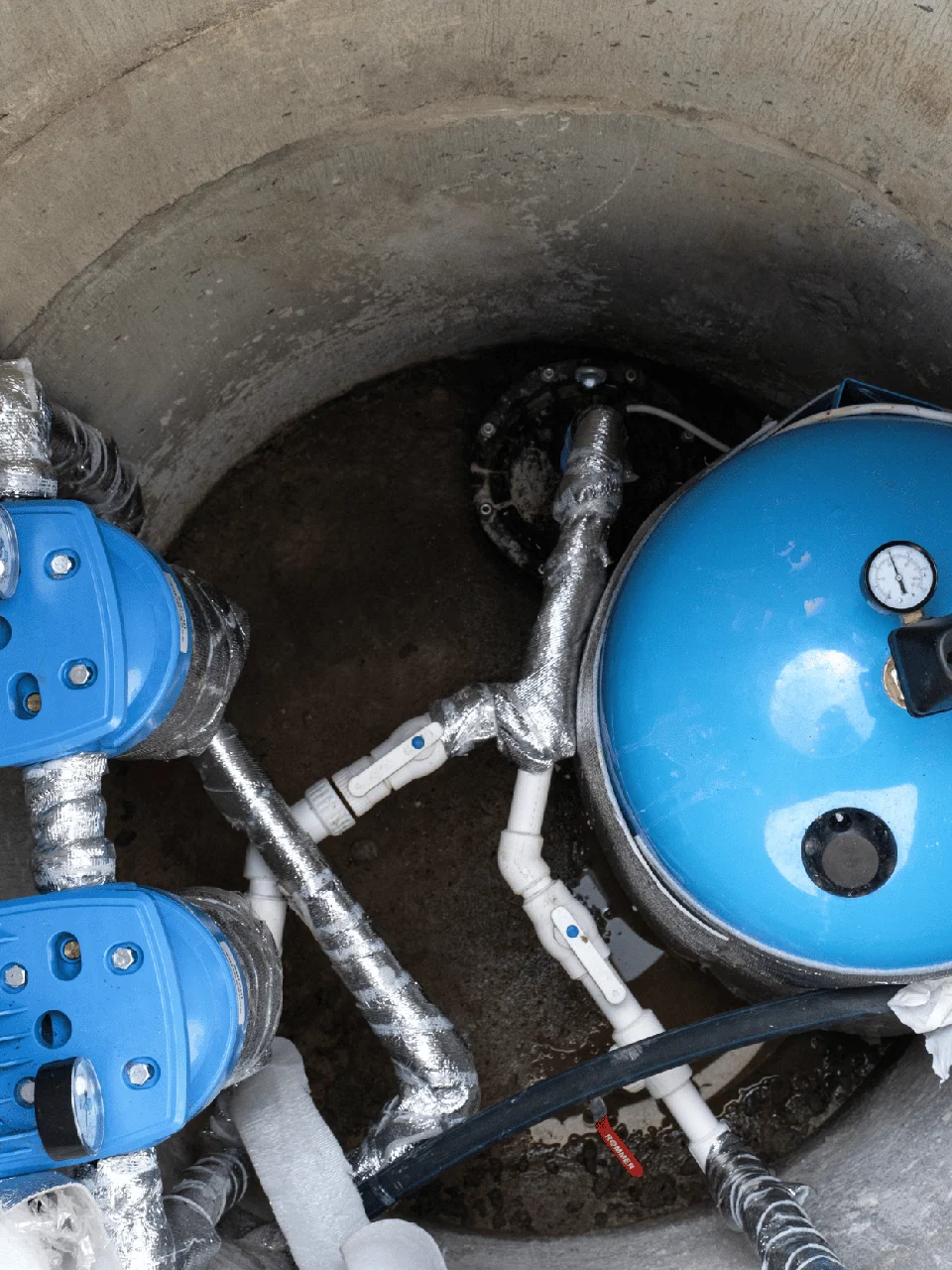
Find the treatment stage behind returning odor, staining, sediment or poor flow.
EXPLORE SERVICE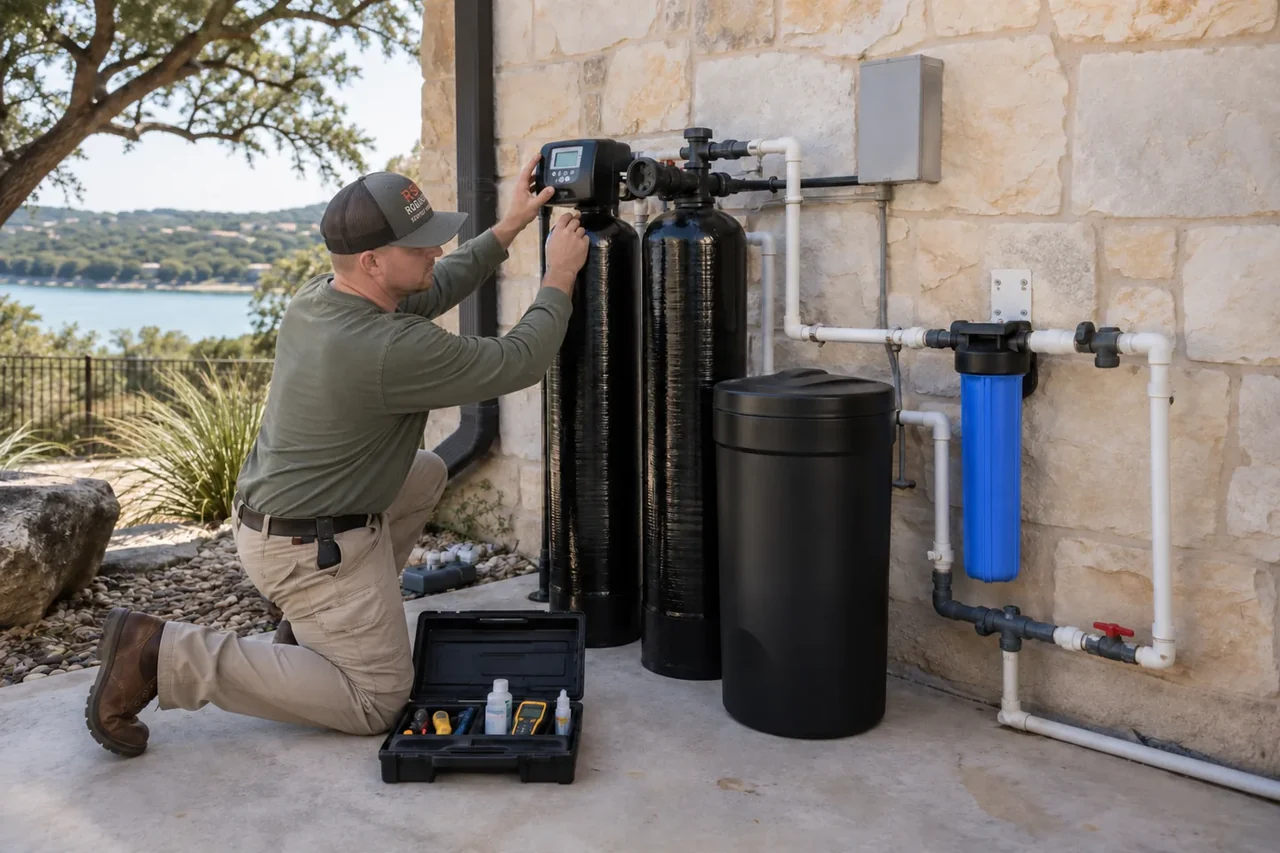
Local Planning Notes
At a Canyon Lake private well home, the lake or a nearby public report does not describe the water being pumped. RSP considers the well’s test history, any change in symptoms and the flow needed by the treatment equipment.
Texas Water Company lists Canyon Lake Shores and Triple Peak as separate systems. The account or private well record establishes the starting point. A nearby lake does not identify the supply entering the house.
Ready For Better Water?
A Clear Service Plan
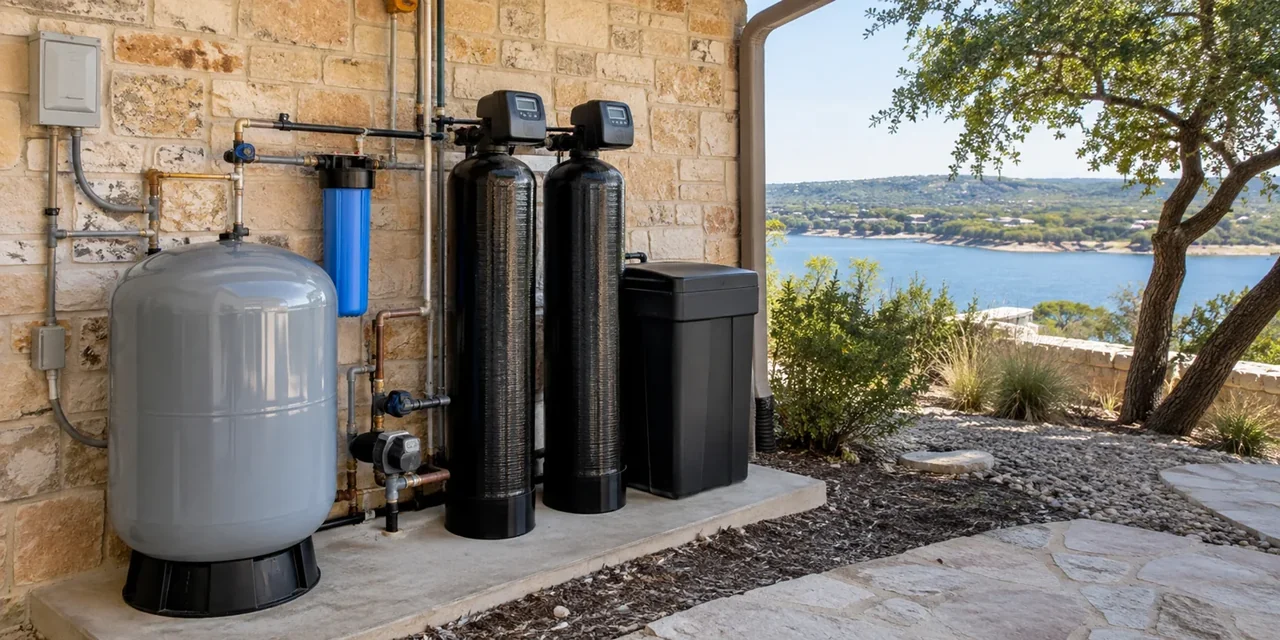
A well can produce hardness, iron, manganese, sediment or odor in different combinations. Equipment should be selected in the right order so an upstream problem does not overwhelm later stages.
Changing color, odor, sediment or hardness may come from the well or a treatment problem. Comparing untreated and treated water shows where performance changed.
Your Next Step
Low pressure, air in the lines or loss of yield may require a well, pump or storage evaluation. Treatment design begins after usable flow is understood.
Helpful Answers
A change deserves attention to the well and appropriate testing guidance. Treatment selection should follow evaluation of the source condition.
No. Treatment equipment does not restore aquifer yield or repair a well pump. A quantity problem needs the appropriate well or pump evaluation.
Not automatically. Private wells typically draw groundwater from an aquifer. Confirm the property's source from the water account and well records.
Hydrogen sulfide or sulfur related bacteria are common possibilities, but the well, storage, plumbing and water heater should be compared before treatment is selected.
If floodwater reached or surrounded the wellhead, treat the well as potentially contaminated until it is inspected, disinfected when appropriate and tested using qualified guidance.
Some oxidation and filtration systems can address both within defined limits. Concentration, pH, form and available backwash flow determine whether the design will be dependable.
Well changes, pump placement, damaged components, heavy pumping or treatment failure can contribute. The source should be identified before adding another cartridge filter.