
Master Plumber Led
Licensed residential expertise with personal accountability.
Testing first well water treatment for Spring Branch homes dealing with sediment, iron, manganese, sulfur odor, hardness or changing well performance.
Licensed residential expertise with personal accountability.
Recommendations start with your home's real water conditions.
Testing and evaluation come before equipment recommendations.
Clear options without commission driven sales tactics.
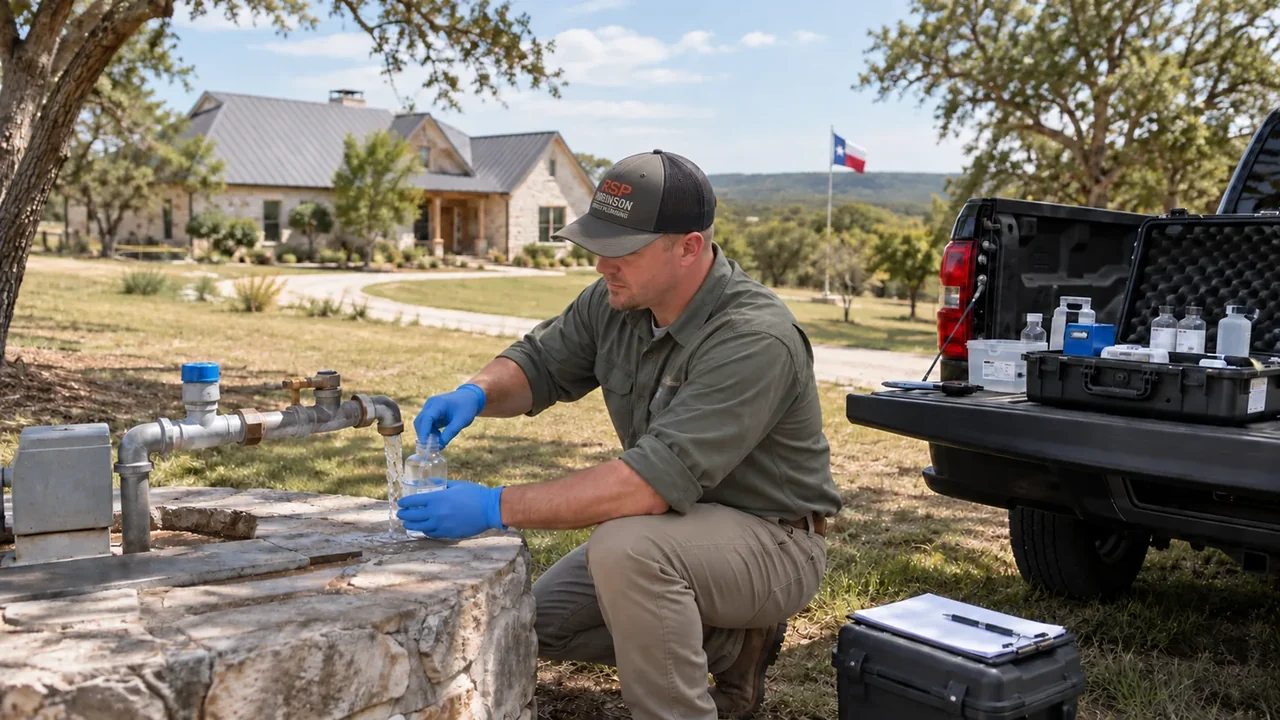
Well Water Treatment
Well depth, aquifer zone, pumping conditions, storage and plumbing can create different results on nearby properties. RSP evaluates the water and the system before recommending equipment.
Start with the complete private well treatment service, review Spring Branch water source guidance or learn how often Texas well water should be tested.
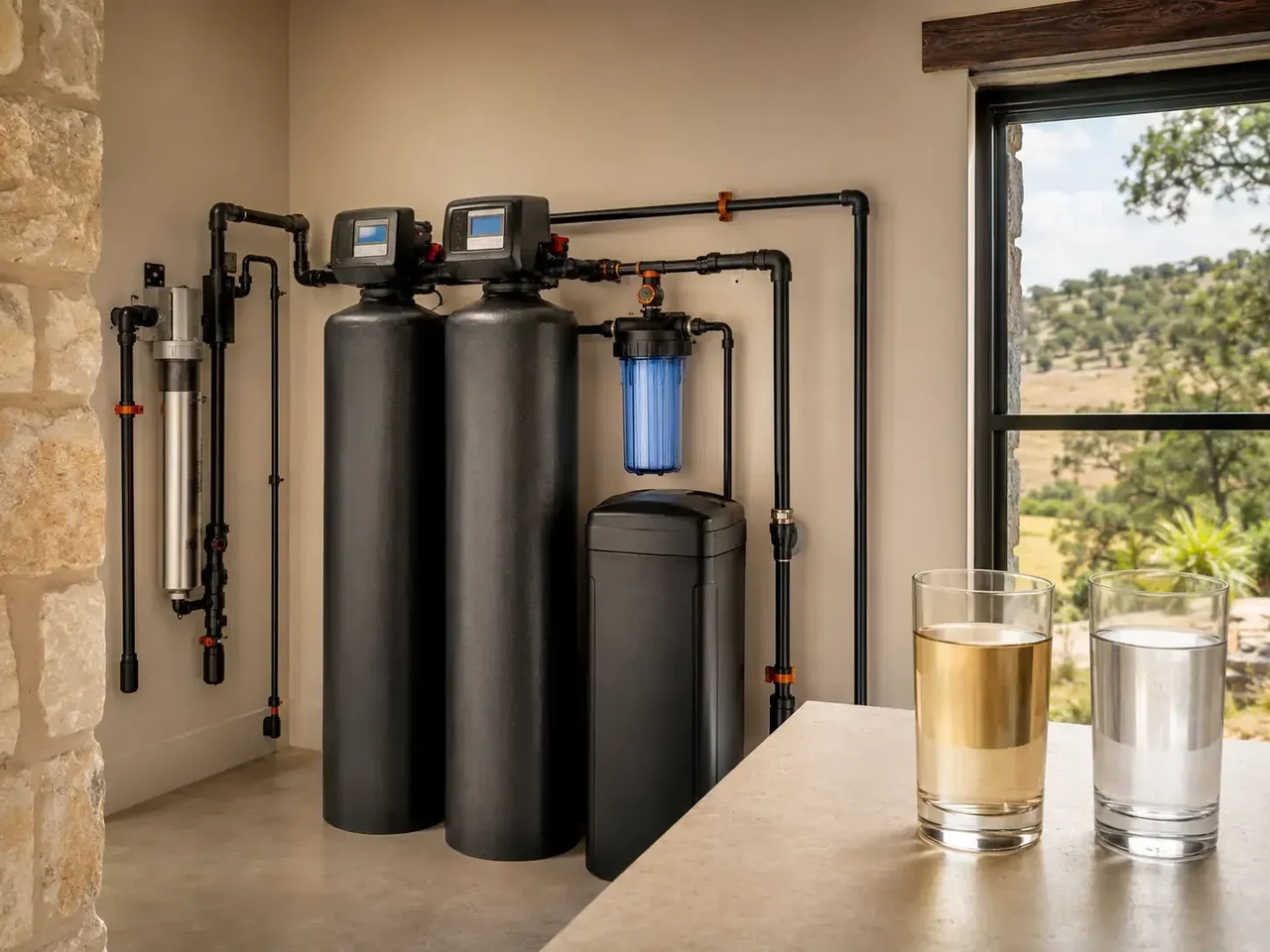
Target recurring mineral stains with treatment based on water chemistry and flow.
EXPLORE SERVICE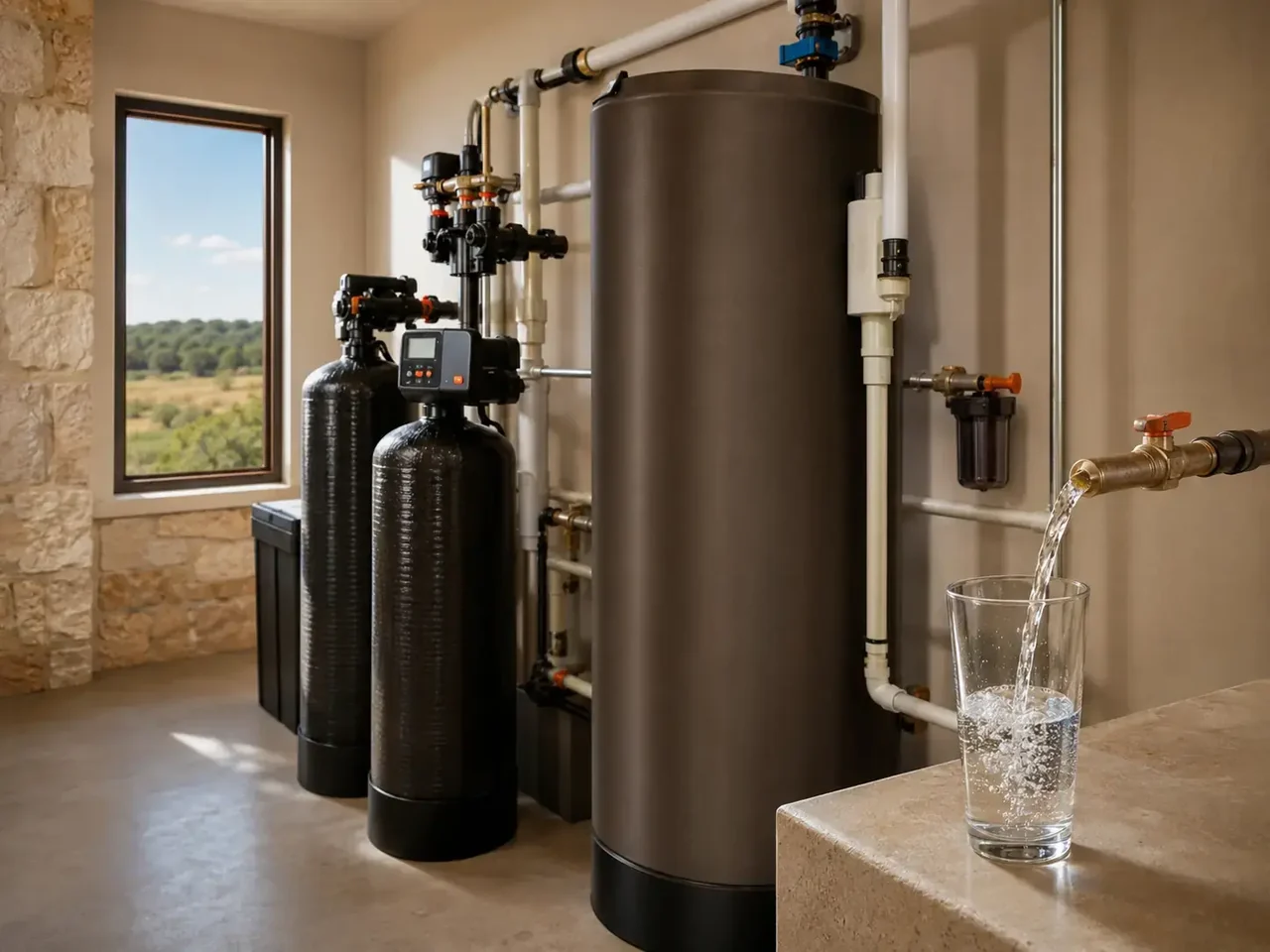
Locate the source of rotten egg odor before installing odor treatment.
EXPLORE SERVICE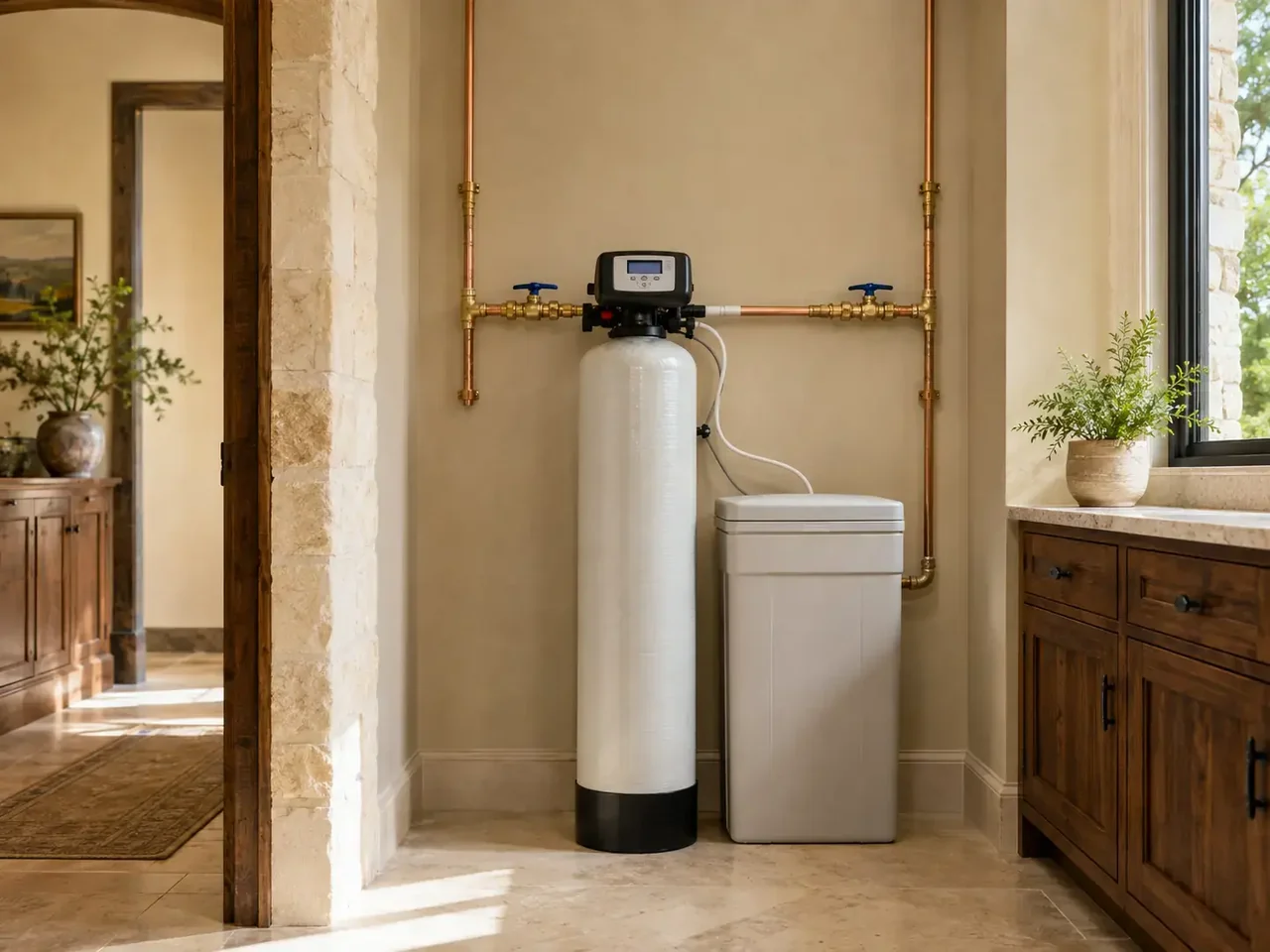
Reduce hardness with a softener sized for your water use and the conditions at your home.
EXPLORE SERVICE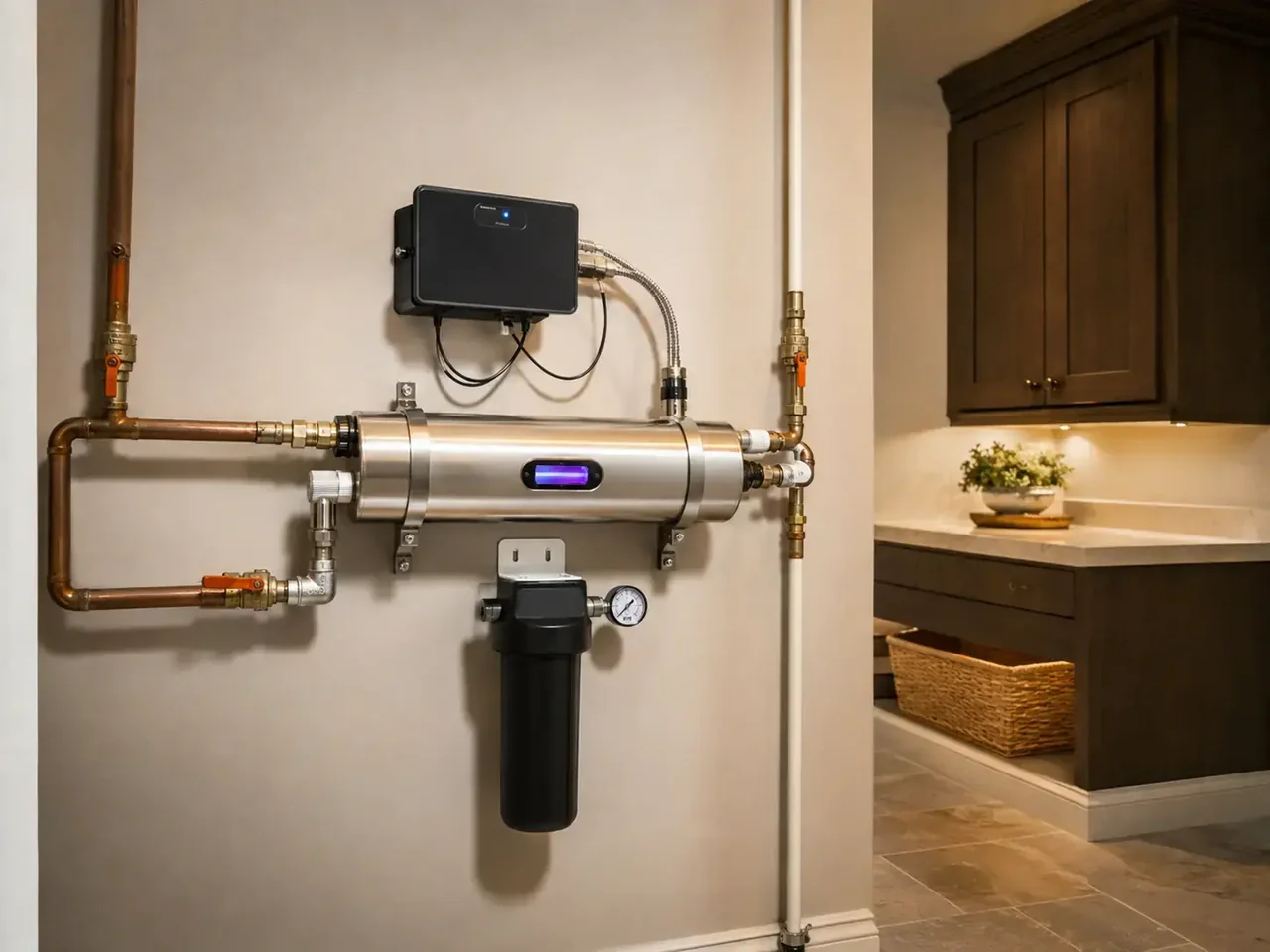
Evaluate ultraviolet treatment as one carefully maintained stage of a suitable water system.
EXPLORE SERVICE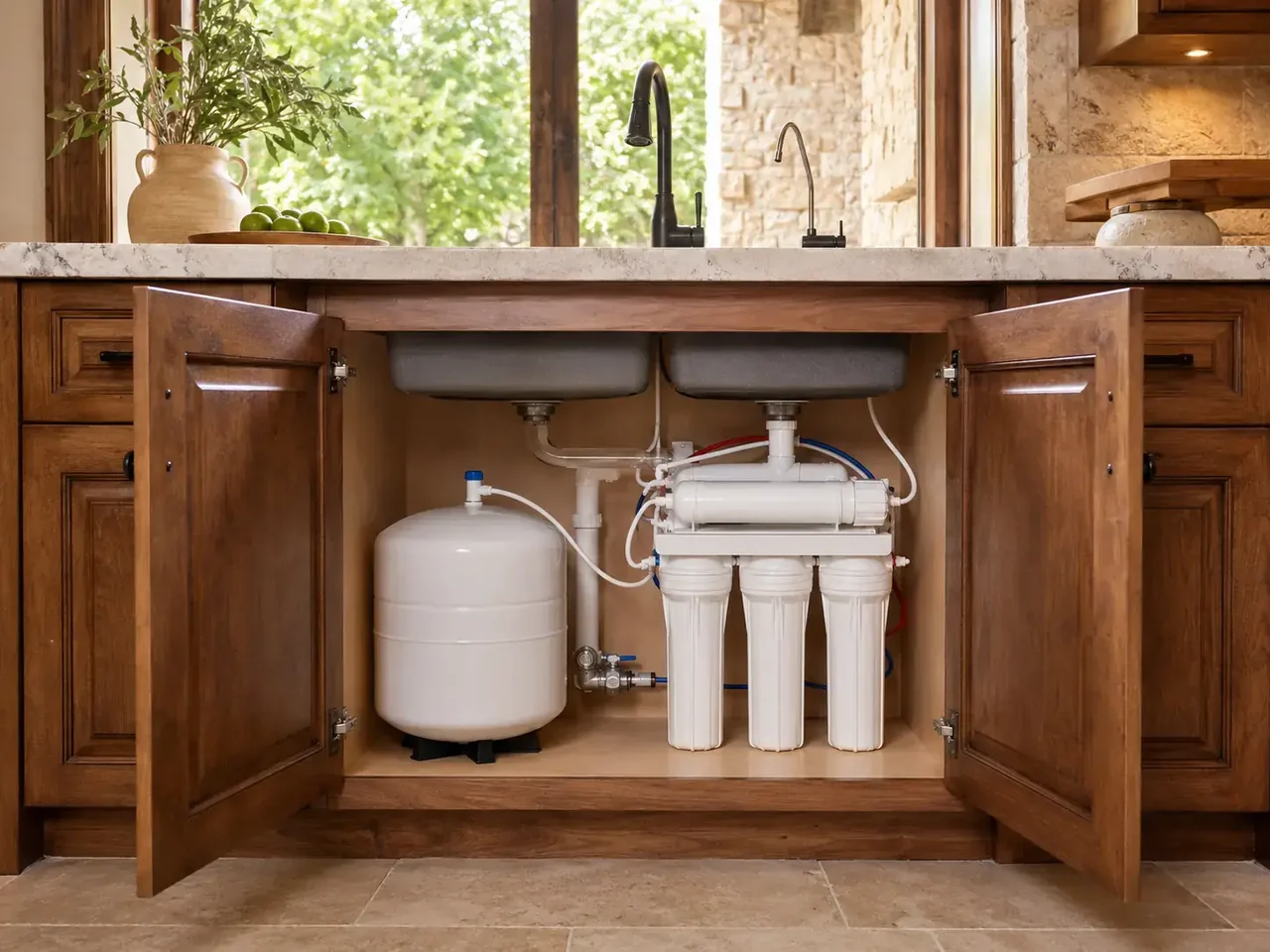
Install dedicated drinking water treatment for your kitchen and daily cooking needs.
EXPLORE SERVICE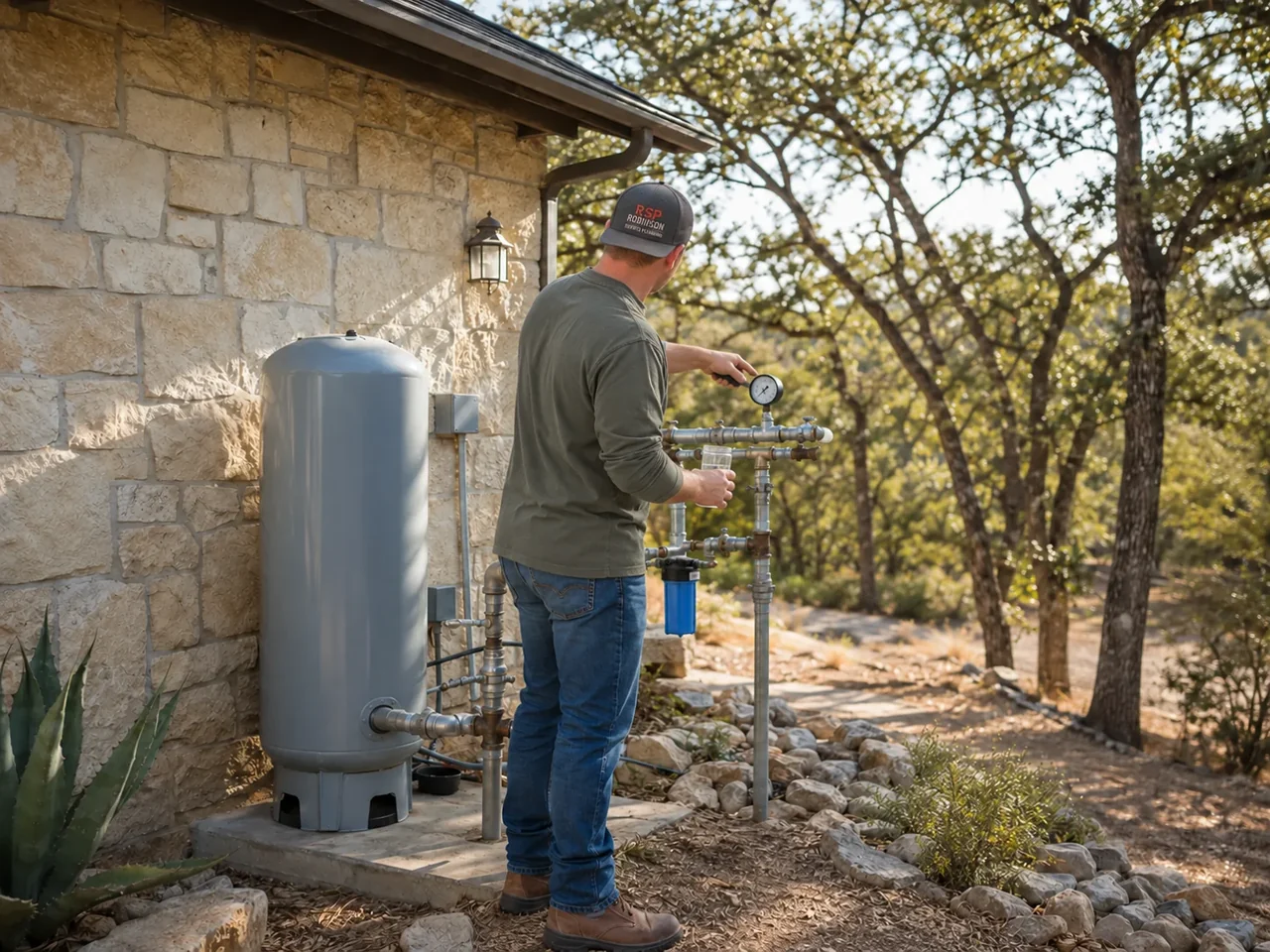
Understand well water symptoms and choose the right field or laboratory testing path.
EXPLORE SERVICE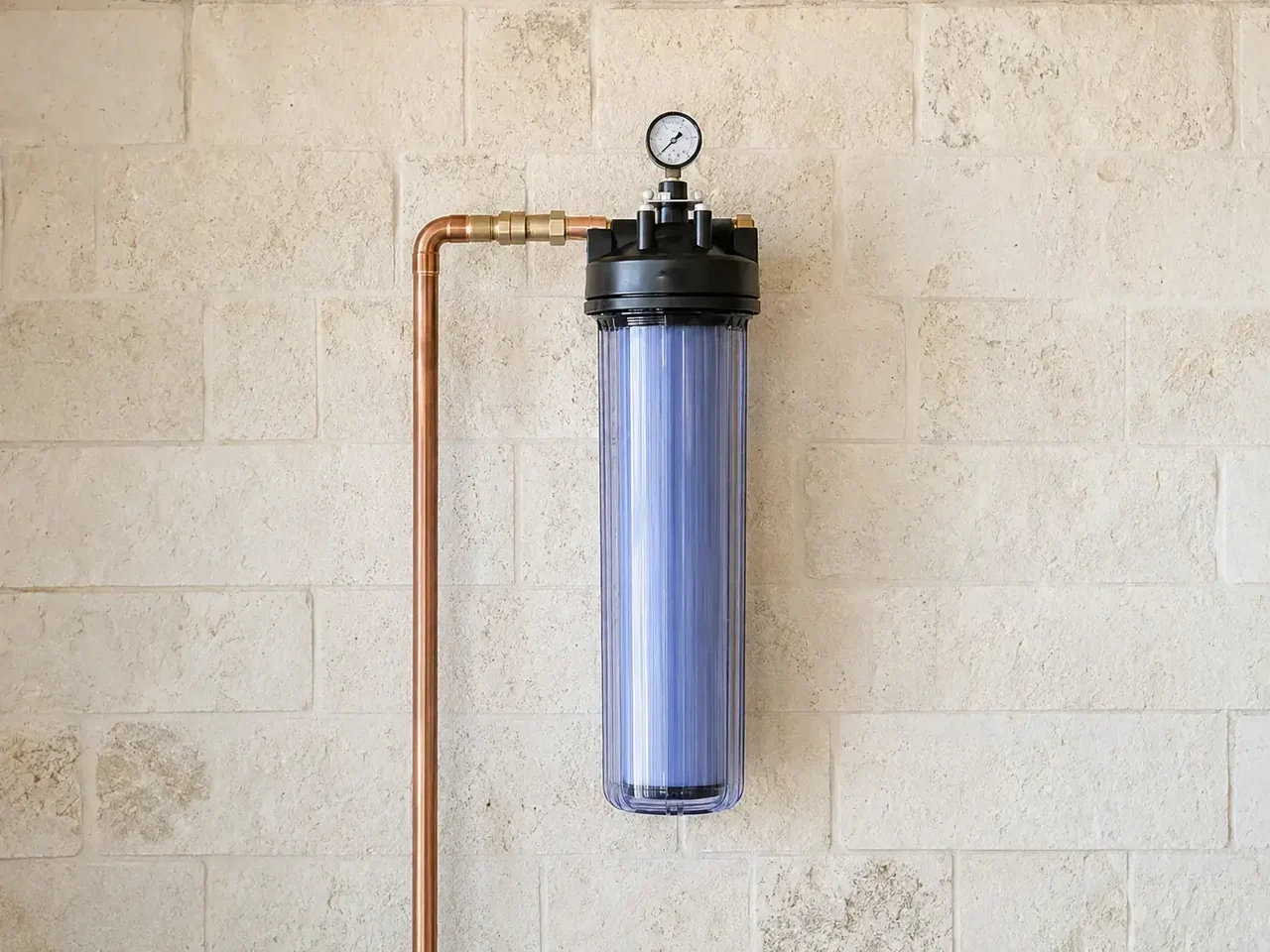
Reduce sand, grit and suspended particles with filtration that preserves usable flow.
EXPLORE SERVICE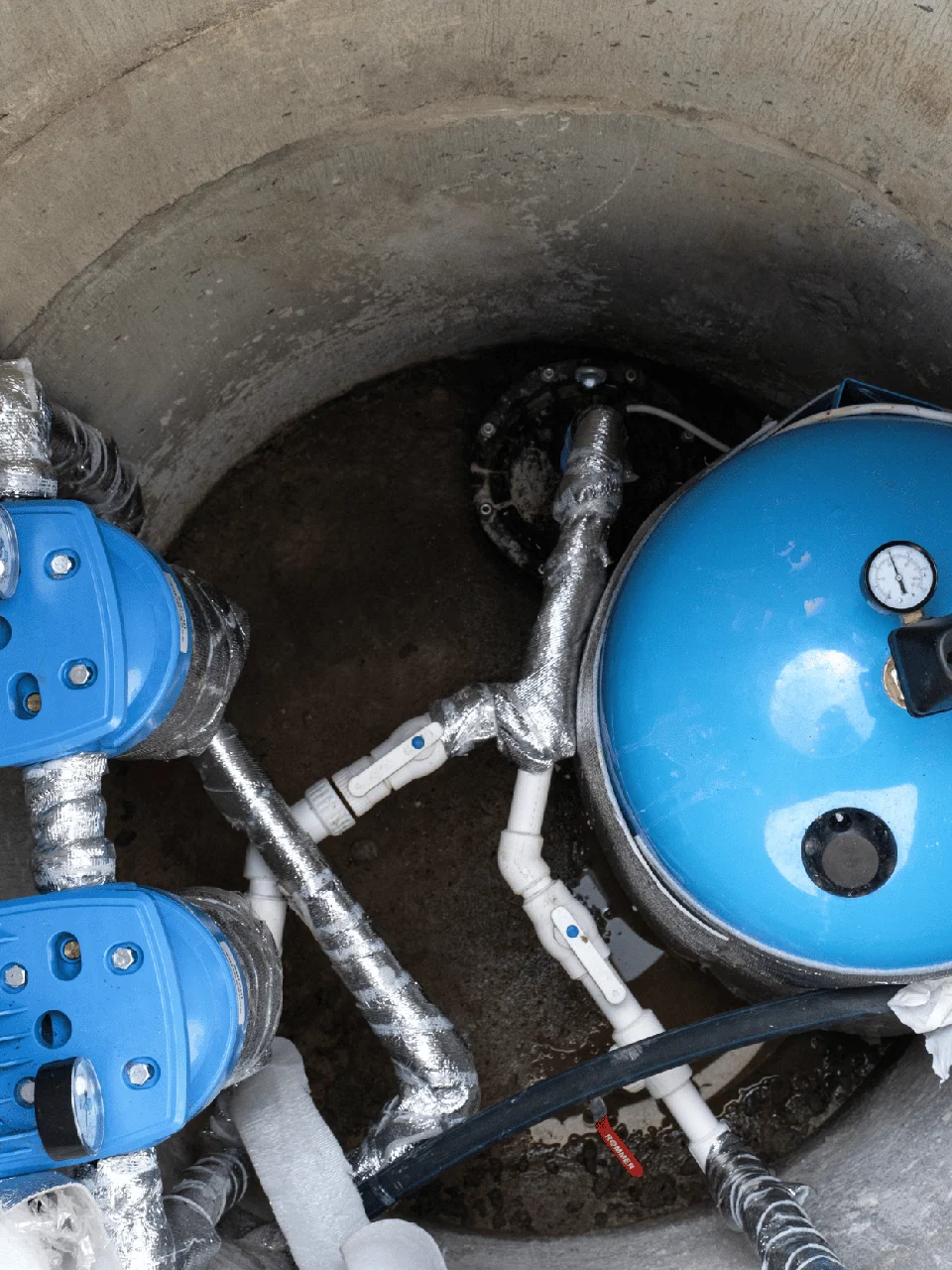
Find the treatment stage behind returning odor, staining, sediment or poor flow.
EXPLORE SERVICE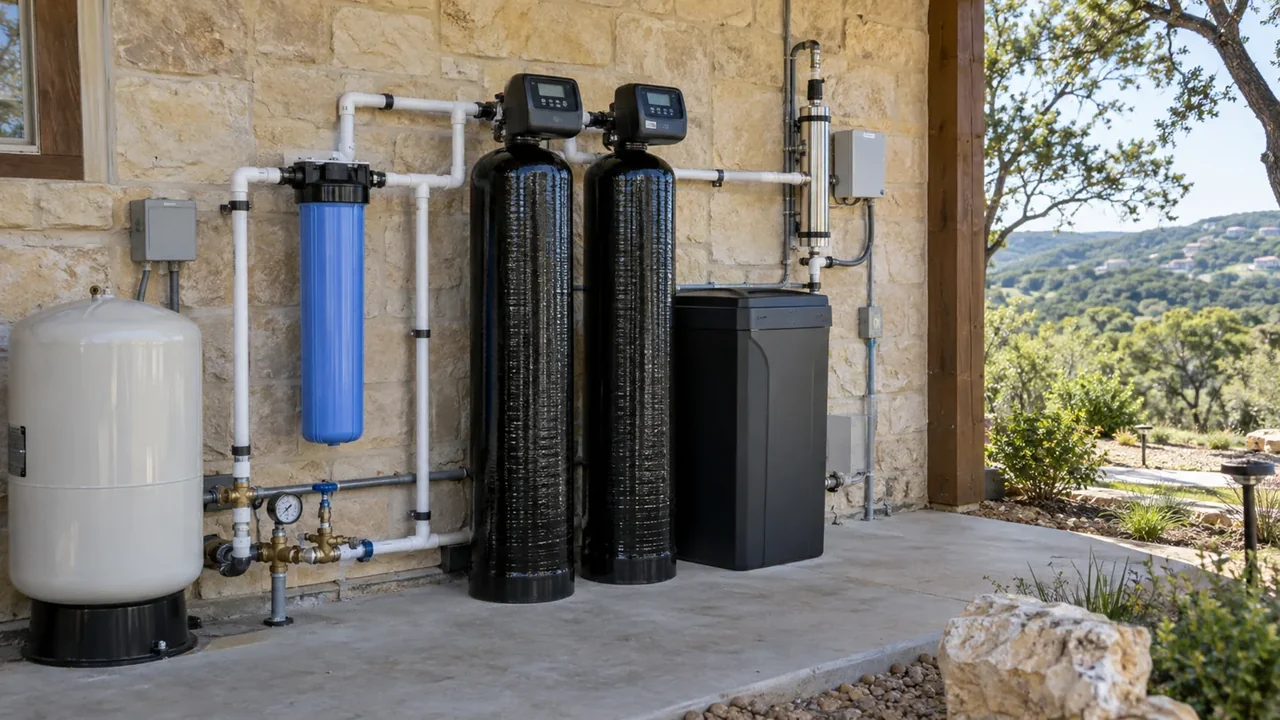
Local Planning Notes
A Spring Branch private well system may need sediment capture before mineral treatment and softening. RSP reviews the untreated sample, operating flow and existing installation before deciding which stages belong in the plan.
The Texas Water Company directory lists Spring Branch Meadows and Woods of Spring Branch under Canyon Lake Shores. Match the property’s account to its water system. A private well is evaluated separately.
Ready For Better Water?
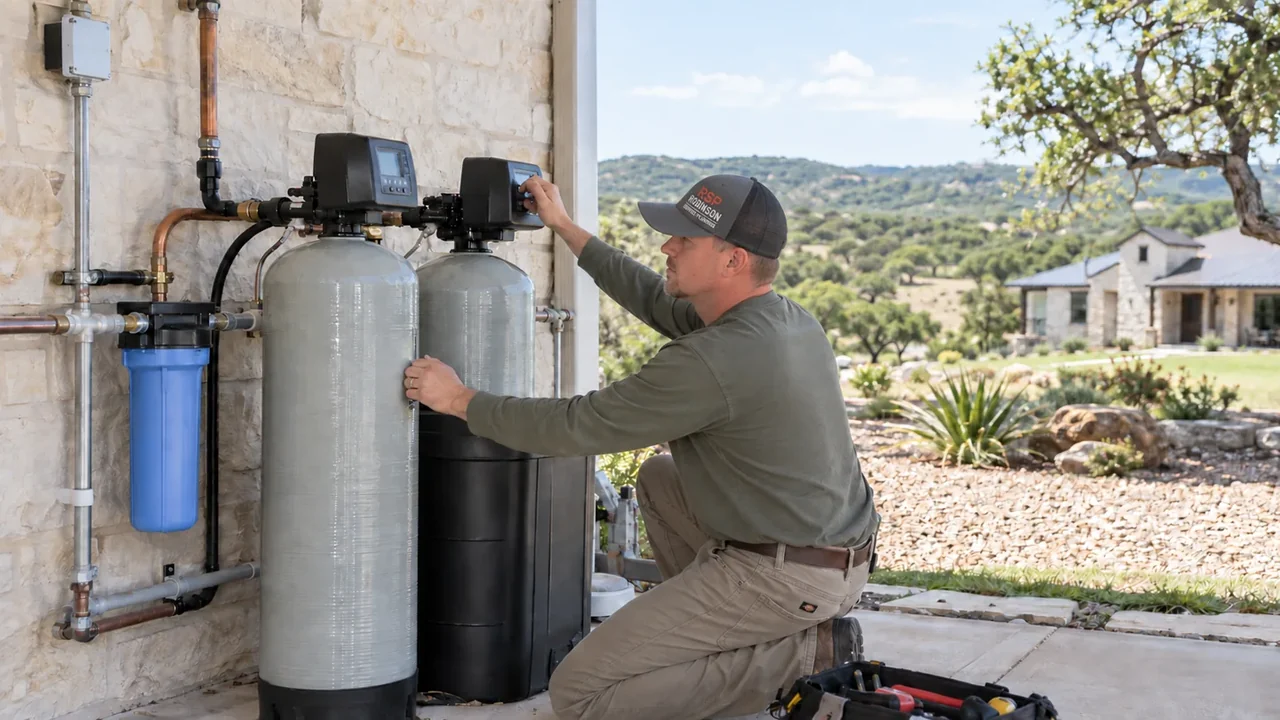
A Clear Service Plan
A well can produce hardness, iron, manganese, sediment or odor in different combinations. Equipment should be selected in the right order so an upstream problem does not overwhelm later stages.
New staining, odor, sediment or pressure changes deserve diagnosis. The cause may be the well, pump, storage, plumbing or existing treatment equipment.
Your Next Step
The sequence depends on what is present, the form it takes and what each downstream component needs for protection.
how often Texas well water should be tested
Helpful Answers
Do not assume that it can. Those conditions can require different processes and an appropriate treatment order.
No. Treatment equipment does not restore aquifer yield or repair a well pump. A quantity problem needs the appropriate well or pump evaluation.
Annual bacteria and nitrate testing is a common baseline. Additional testing should follow the well history, nearby risks and symptoms such as stains, odor or corrosion.
No. Treatment can create pressure loss if poorly sized, but it cannot correct a failing pump, low well yield or pressure tank problem.
A sudden change may involve surface water entering through a vulnerable wellhead, disturbed sediment or another source. If floodwater reached the well, avoid assuming the water is safe and arrange appropriate inspection and testing.
No. UV is an added barrier for appropriate applications. It requires correct flow sizing and clear water, so sediment or iron may need treatment first.
Some equipment can address overlapping conditions within defined limits, but testing determines whether separate stages will be more reliable.